Goblin: The Malice Underfoot
The Parasite of the Home
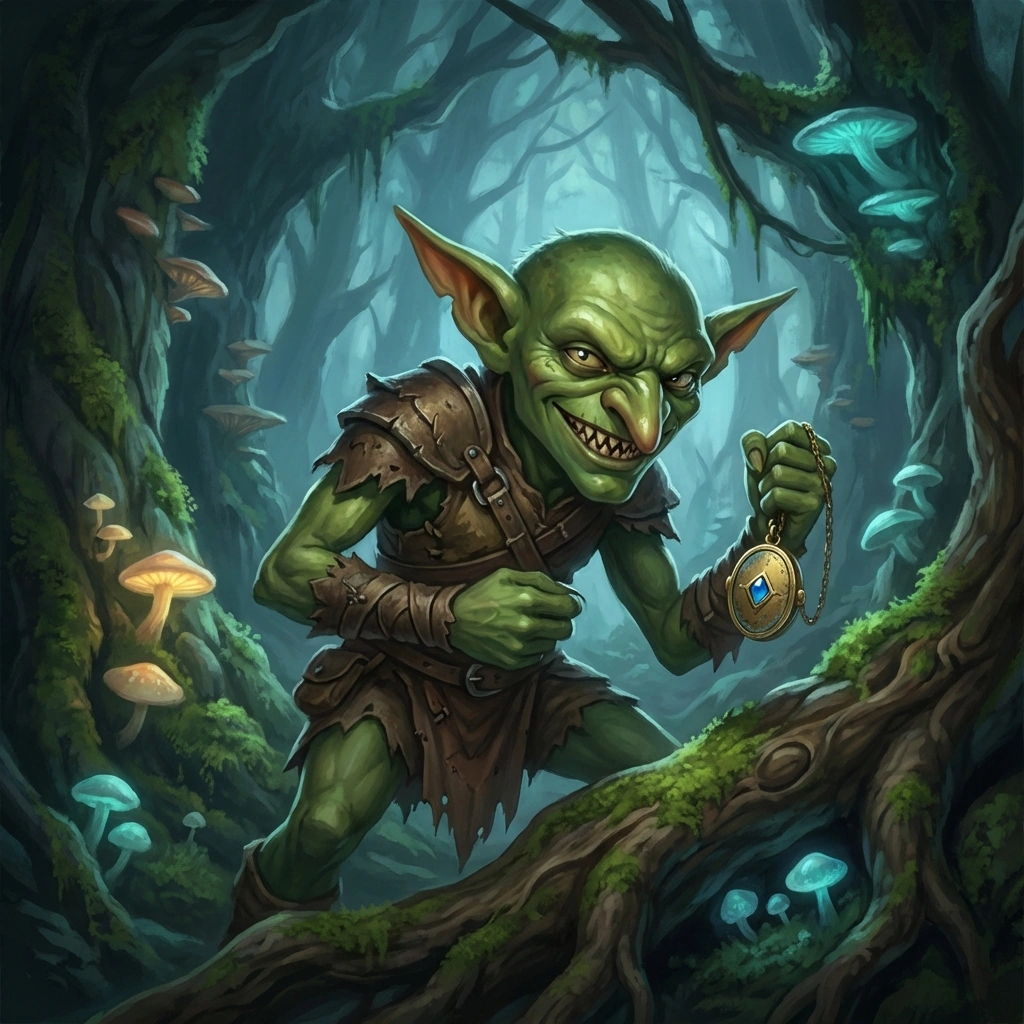
Goblins are the scavengers of the Fae ecosystem. Small, grotesque, and universally malicious, they manifest as stunted humanoids with leathery skin and needle-like teeth. Unlike the high Sidhe who are aloof, Goblins are intimately parasitic. They infest human spaces—attics, cellars, and mines—feeding on frustration, fear, and minor chaos.
A Taxonomy of Greed
The term "Goblin" covers a spectrum of entities, ranging from annoying to lethal.
- House Goblins: Pests that sour milk, hide keys, and bang on walls. They thrive on the emotional irritation of the homeowner.
- Redcaps: The apex predator of the goblin world. Found in ruins near the Scottish border, they must dip their hats in human blood to survive. They are not pranksters. They are murderers.
- Hobgoblins: A rare, benevolent variant that may perform household chores if treated with respect (see Brownie), but turns feral if insulted.
The Goblin Market
Goblins are mercantile entities. They desire transaction. The "Goblin Market" is a trap where they sell enchanted fruits to humans.
- The Price: They do not accept money. They demand a lock of hair, a memory, or a promise.
- The Addiction: Eating goblin fruit creates a metaphysical dependency. The victim pines away, unable to eat mortal food, starving to death while dreaming of the orchard.
Weakness and Repellents
Goblins are bound by specific compulsions.
- Salt: Like many unclean spirits, they cannot cross a line of salt.
- Mesmerism: They are easily distracted by counting. Scattering seeds (mustard or flax) forces them to count every grain, buying time for escape.
- Iron: Cold iron burns their skin.
The Final Warning
If small objects vanish from your shelves, or the milk spoils overnight, do not mistake it for bad luck. You have a guest. Feeding a stray cat buys loyalty, but feeding a goblin buys an infestation. Do not leave a saucer of milk; leave a trap to starve them out.