Ifrit: The Spirit of Smokeless Fire
The Tribe of Fire
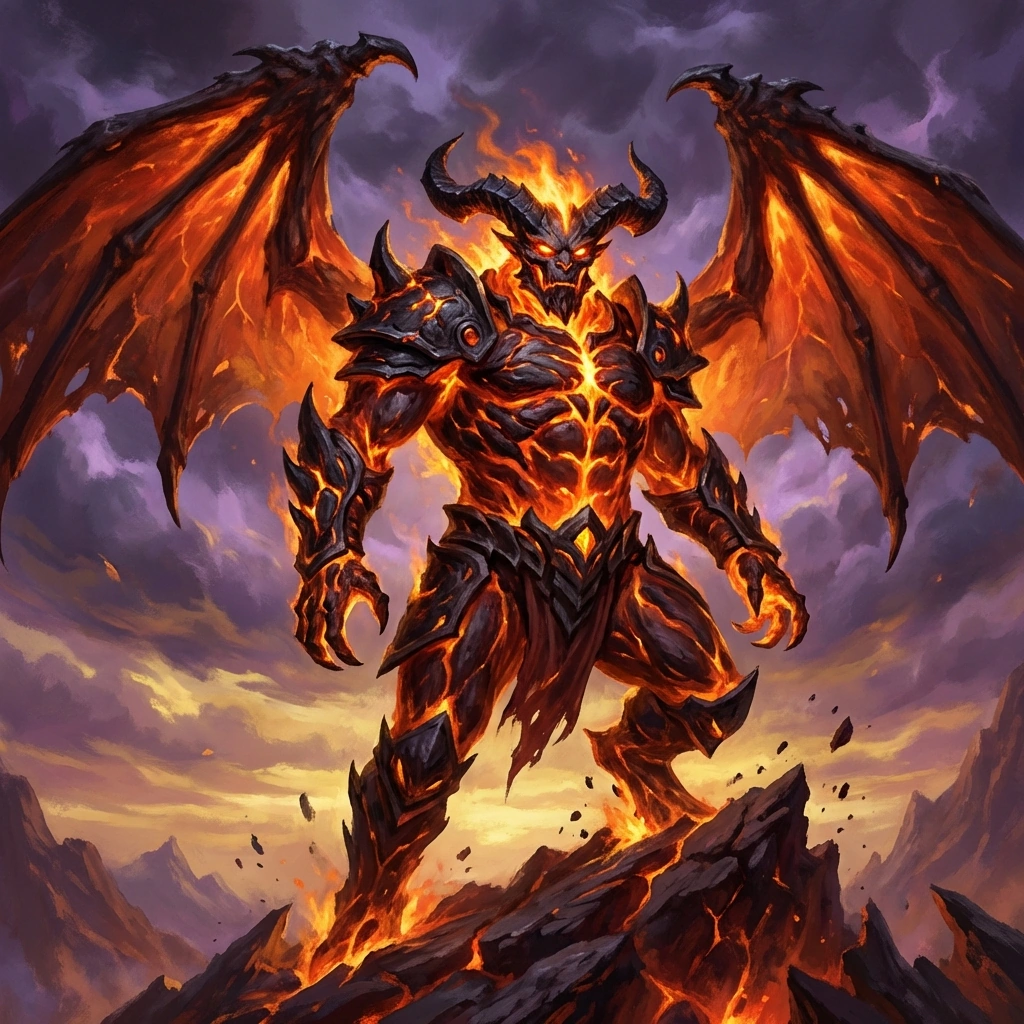
In Islamic and pre-Islamic mythology, the Djinn are a race created from "smokeless fire," parallel to humans who are created from clay. The Ifrit (plural Afarit) represents the upper caste of this species: powerful, cunning, and historically rebellious. They are not demons in the Christian sense (pure evil), but they are chaotic, prideful, and incredibly dangerous. They possess free will. They can choose to be benevolent, but they usually choose to be imperious.
The Hierarchy of Power
An Ifrit is far stronger than a standard Djinn.
- Physicality: They can manipulate matter, changing size from a dust mote to a giant that blocks the sun.
- Immunity: They are resilient to most human weapons, though iron can harm them.
- Social Structure: They live in complex tribal societies (often underground or in ruins), with kings, laws, and marriages.
The Solomonic Seal
The Ifrit are famous for their interaction with King Solomon (Sulayman). Because of their chaotic nature, Solomon used a magic ring to bind the most rebellious Ifrit into brass vessels or clay jars, sealing them with the name of God. They were cast into the deepest oceans or buried in the desert sands. This is the origin of the "Genie in the Lamp" myth.
The Wish Trap
The concept of "three wishes" is a cautionary tale. An Ifrit released from a jar is not grateful.
- First Century: "I will make the one who frees me rich."
- Second Century: "I will grant the one who frees me the treasures of the earth."
- Third Century: "I will kill the one who frees me immediately."
The Final Warning
Imprisonment breeds madness, not generosity. Legend says King Solomon bound the most dangerous Ifrit not because they were evil, but because they were uncontrollable. If you dig in the ruins and find a brass jar sealed with wax and lead, do not let curiosity be your undoing. The thing inside has had thousands of years to think about revenge, so leave it buried.
Featured Creature Profile
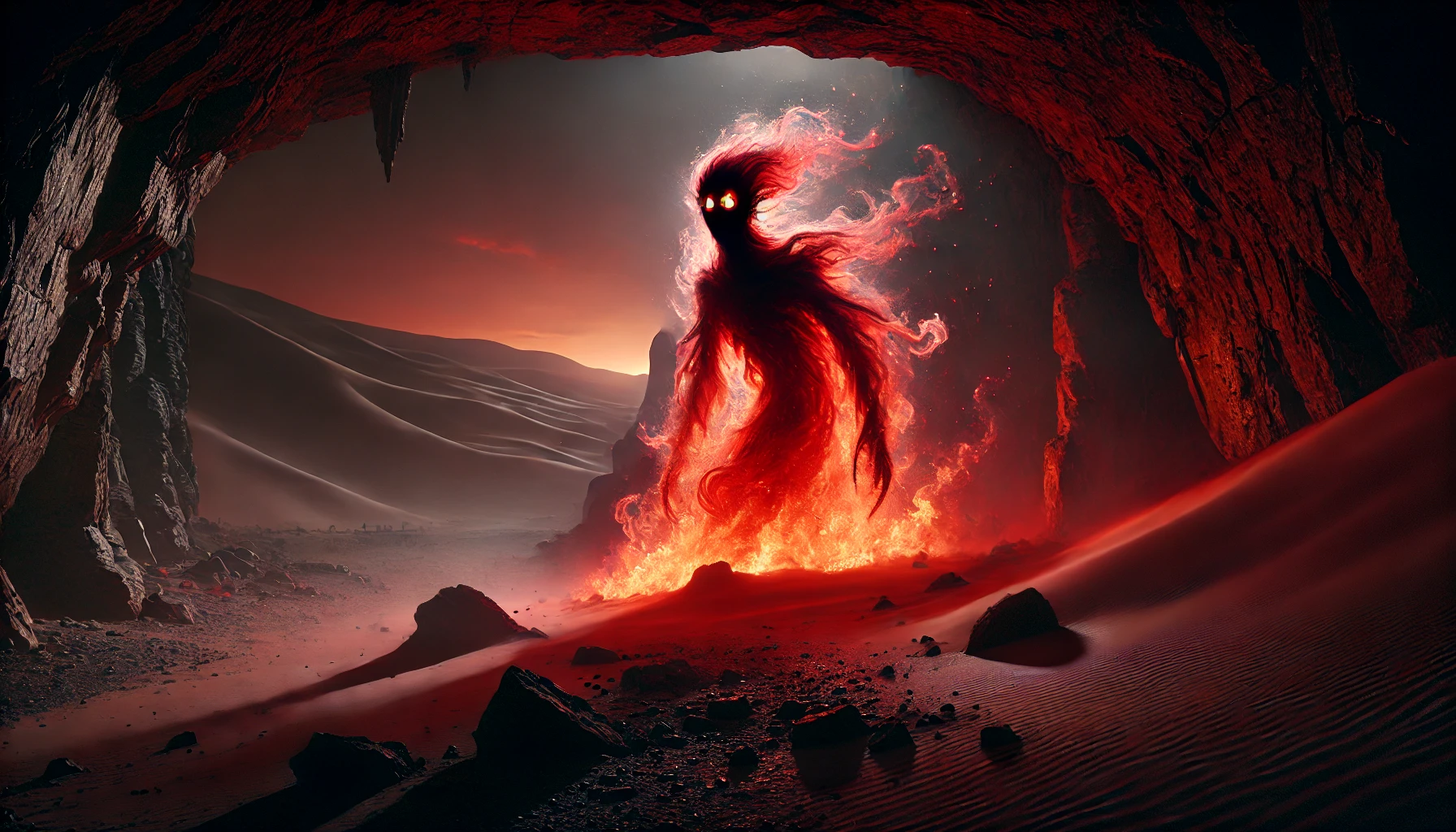
Djinn
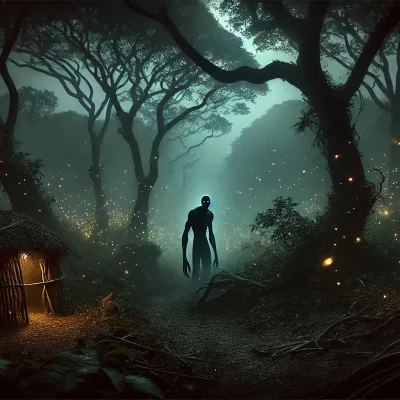
Djinn is a Fae spirit most often encountered at the edges of settlements and where the human and uncanny meet. Field notes: presence smells like cold smoke and crushed desert herbs, as if a night wind passed over embers; sound is a layered whisper—laughing syllables beneath the noise of wind, the clink of metal, or a voice mimicking a companion; temperature falls suddenly and dryly, an empty chill that tightens the skin without dampness. They appear as shifting silhouettes of smoke, flickering flame, or unexpectedly familiar faces, always carrying the sense of an intelligence that studies rules and looks for loopholes.