Top 10 Mythical Dragons from Around the World
Top 10 Mythical Dragons from Around the World
The "dragon" is perhaps the only mythical creature found in almost every culture across the globe. However, what constitutes a dragon varies wildly. In Western folklore, dragons are often fire-breathing, gold-hoarding beasts representing greed and chaos. In Eastern traditions, they are revered as benevolent, divine water spirits that bring rain and good fortune. Here are the top 10 mythical dragons from around the world.
1. Quetzalcoatl (Mesoamerican Mythology)
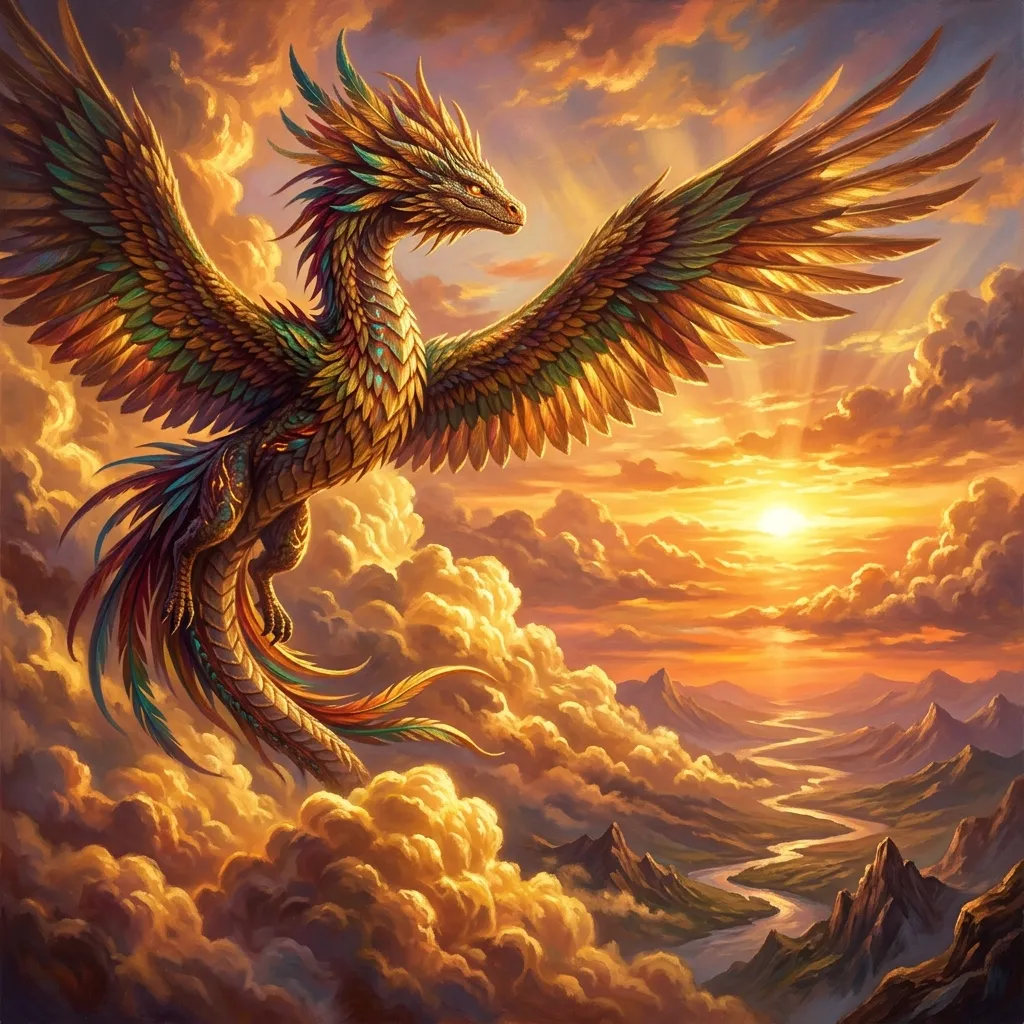
One of the most important deities in the Aztec and Toltec pantheons, Quetzalcoatl is the legendary "Feathered Serpent." Rather than a hoarding monster, he is a creator god associated with the wind, the dawn, and the learning of civilization. He is deeply revered for giving maize (corn) to humanity and is considered the boundary between the earth (the serpent) and the sky (the bird).
2. Ryujin (Japanese Mythology)
Ryujin is the tutelary deity of the sea in Japanese mythology. He is a massive dragon who lives in Ryugu-jo, an underwater palace built of red and white coral. He controls the tides of the ocean using the magical Tide Jewels. Because Japan is an island nation reliant on the sea, Ryujin was widely worshipped by fishermen and sailors, though his anger could summon devastating typhoons.
3. Nidhogg (Norse Mythology)
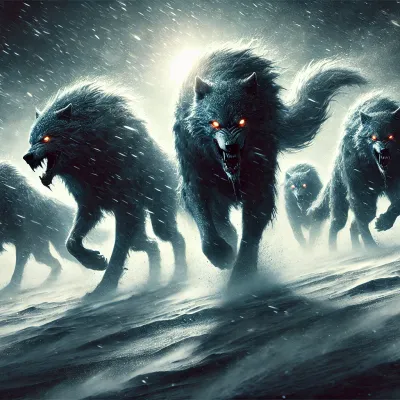
Deep in the underworld of Niflheim, the fearsome dragon Nidhogg ("Malice Striker") gnaws continuously on the roots of Yggdrasil, the World Tree. Nidhogg represents ultimate chaos and destruction, attempting to topple the tree that holds the universe together. In the afterlife, he is also said to chew on the corpses of the worst sinners—murderers, oath-breakers, and adulterers.
4. Zmey Gorynych (Slavic Folklore)
The ultimate boss monster in Russian fairy tales, Zmey Gorynych is a terrifying, fire-breathing dragon with three heads. He walks on two legs, has small front claws, and breathes fire that can scorch entire kingdoms. He is infamous for kidnapping beautiful princesses and hoarding vast amounts of treasure in his mountain caves until he is finally slain by the legendary Bogatyr heroes.
5. Apep / Apophis (Egyptian Mythology)
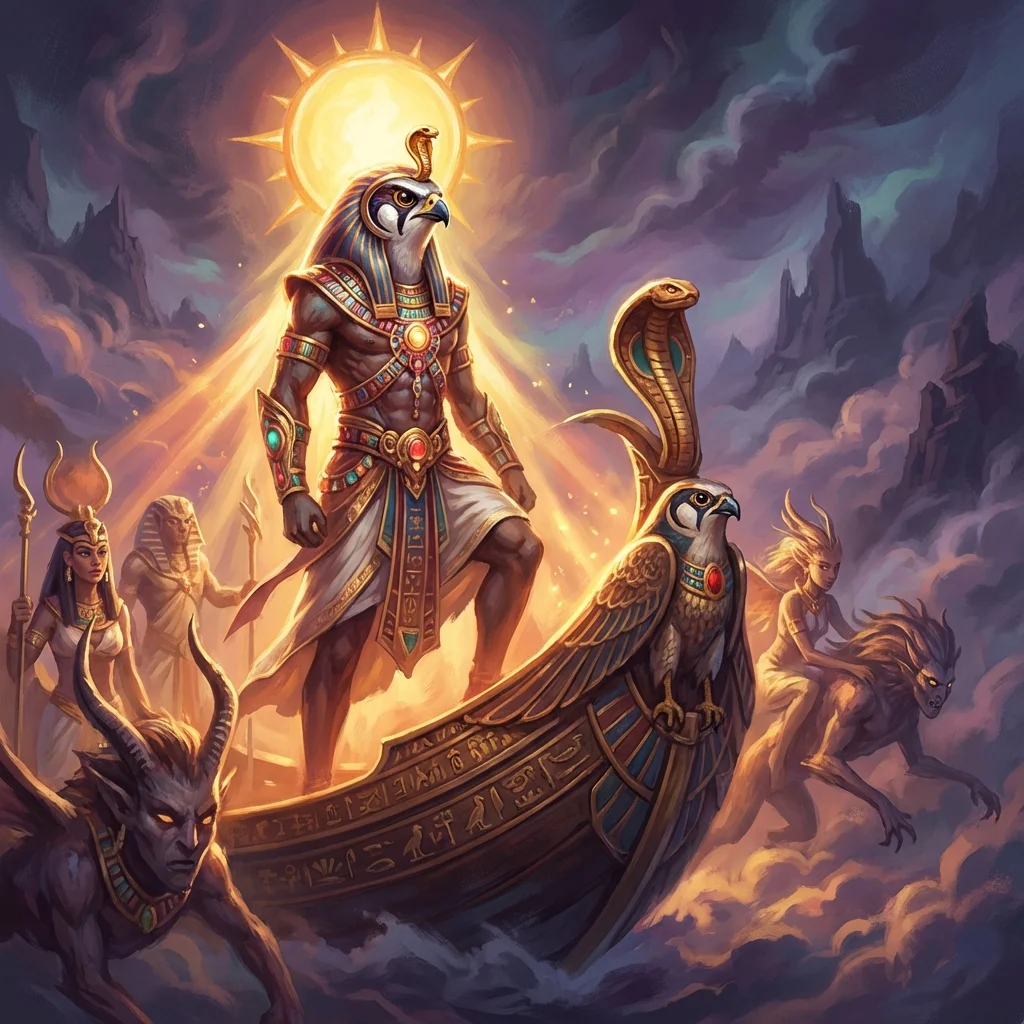
In ancient Egypt, Apep was the absolute embodiment of chaos (Isfet). Depicted as a colossal, world-spanning serpent or dragon, Apep dwelled in the treacherous waters of the Underworld. Every night, as the sun god Ra sailed his solar barge through the darkness, Apep would attempt to swallow the sun and plunge the universe back into primordial darkness, requiring the other gods to fight him off.
6. The Tarasque (French Folklore)
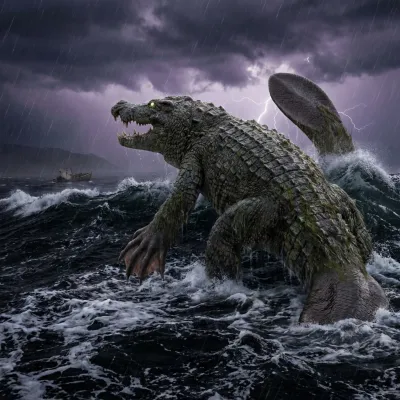
A bizarre and terrifying dragon from the Provence region of France, the Tarasque had the head of a lion, six short legs like a bear, a turtle-like carapace on its back, and a venomous, scaly tail. It devastated the countryside around the Rhone River until it was famously subdued not by a knight with a sword, but by Saint Martha, who tamed the beast simply by sprinkling holy water upon it.
7. Long / Chinese Dragon (Chinese Mythology)
Unlike the destructive dragons of the West, the Chinese Long is the ultimate symbol of auspicious power, strength, and good luck. It is a divine composite creature—having the antlers of a stag, the scales of a carp, and the talons of an eagle. They do not breathe fire; instead, they control water, rainfall, typhoons, and floods. For centuries, the dragon was the exclusive symbol of the Chinese Emperor.
8. Wyverns (European Heraldry)
A distinct subset of the European dragon, the Wyvern is characterized by having only two legs (the hind legs) and a pair of wings, utilizing its wings like a bat to walk on the ground. They are incredibly vicious, agile, and often possess a venomous stinger on the end of their tail. Because of their fierce reputation, Wyverns became immensely popular symbols in medieval heraldry and family crests.
9. Fafnir (Norse Mythology)
Originally a dwarf, Fafnir was cursed by his overwhelming greed for a cursed ring and a massive hoard of gold. His greed literally transformed him into a fearsome, poison-breathing dragon. He fiercely guarded his treasure in the wilderness until the hero Sigurd dug a trench in the dragon's path and pierced him through the heart from below.
10. The Hydra (Greek Mythology)
The Lernaean Hydra was an ancient, serpentine water monster with reptilian traits. Its breath and blood were so venomous that even its scent was lethal. Its most terrifying feature was its regenerative ability—if one of its many heads was cut off, two more would immediately grow back in its place. Heracles managed to defeat it by using a flaming torch to cauterize the neck stumps.
Featured Creature Profile
Ra
Ra is a Deity — the solar sovereign of the Nile lands, often sighted as a falcon-headed figure crowned with a blazing solar disk. Seen through the eye of a field naturalist, Ra arrives as a line of pure light that makes sand and stone sing: gold dust on the wind, linen bleached to brilliance, the dark lacquer of a ritual barque glinting with reflected fire. Smell: sharp ozone threaded with resin and frankincense, with a faint tang of warmed papyrus. Sound: a distant, steady hum like a chorus of reeds and bronze, punctuated by the measured beat of ceremonial drums. Temperature: overwhelming, sun-forged heat — air that shimmers and sharpens, shadows that retreat and harden at his passing.