Top 10 Underworld Monsters and Mythical Death Gods
Top 10 Underworld Monsters and Mythical Death Gods
Every ancient culture grappled with the mystery of what happens after we die. To answer this, they envisioned vast, shadowy underworlds where the souls of the dead were judged, punished, or rewarded. These realms required rulers, judges, and terrifying guardians to ensure that the dead stayed in their place—and the living stayed out. Here are the top 10 mythical entities of the Underworld.
1. Cerberus (Greek Mythology)
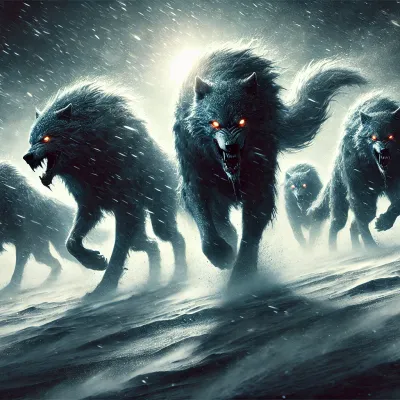
The ultimate guardian of the afterlife, Cerberus is the massive, three-headed hound of Hades. Stationed at the gates of the Underworld, his job is simple: allow the spirits of the dead to enter, and rip to shreds anyone who tries to leave. He is incredibly fierce, though he was subdued once by Heracles through sheer strength, and lulled to sleep by the enchanting music of Orpheus.
2. Ammit (Egyptian Mythology)
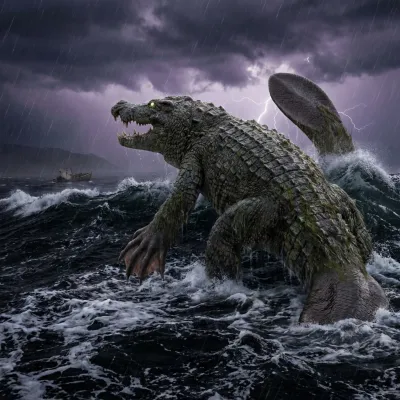
In the Egyptian Hall of Ma'at, the heart of the deceased is weighed against the feather of truth. Waiting patiently at the scales is Ammit, the Devourer. A terrifying chimera with the head of a crocodile, the torso of a lion, and the hind legs of a hippopotamus, Ammit devours the hearts of the wicked, condemning them to non-existence—a fate worse than death for the ancient Egyptians.
3. Hades / Pluto (Greek / Roman Mythology)
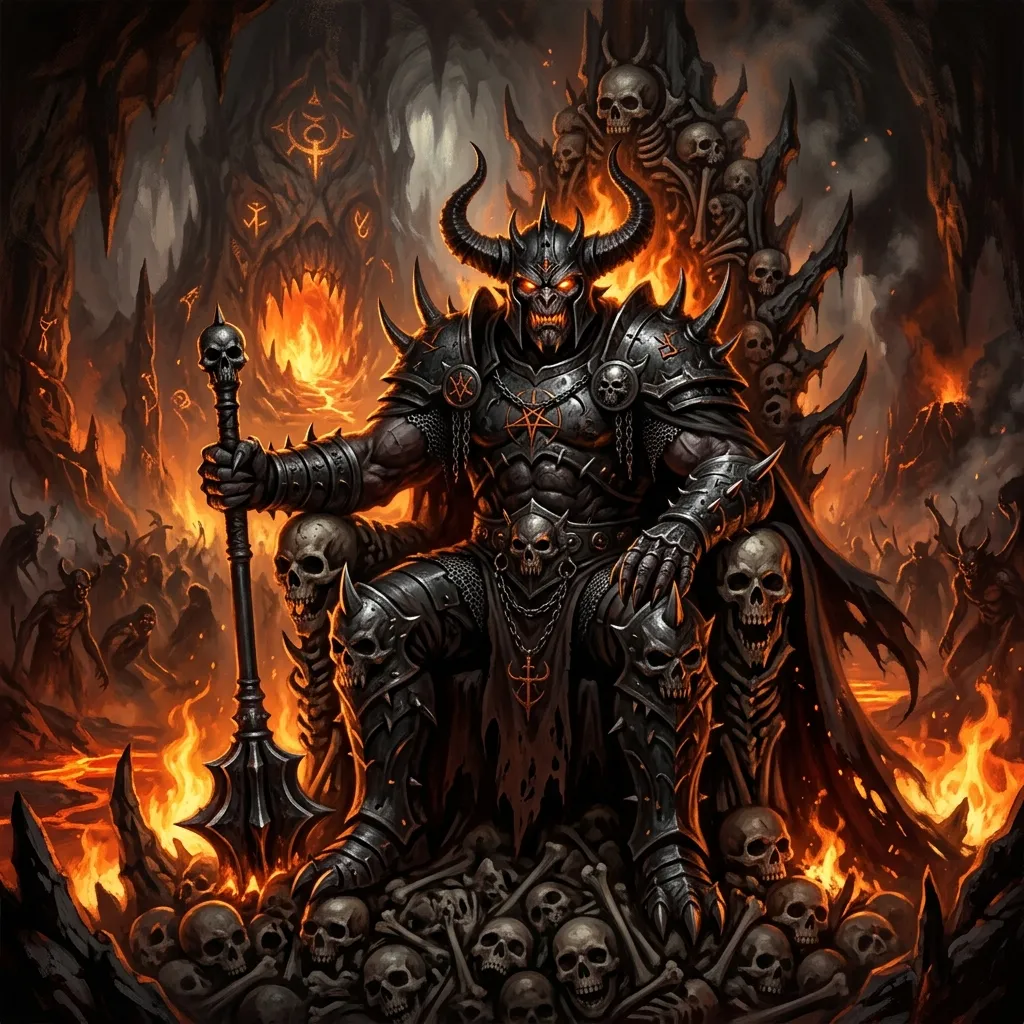
The ruler of the Greek Underworld, Hades, is not exactly a monster, but a grim, unyielding god who ensures cosmic balance. Unlike the Christian Devil, Hades does not torture the dead; he merely oversees them. He commands immense wealth (as all minerals in the earth belong to him) and rides a chariot drawn by black horses. He rarely leaves his realm, enforcing the strict rule that no soul may return to the living.
4. Shinigami (Japanese Mythology)
The Shinigami ("Death Gods") are supernatural spirits that invite humans toward death. While they are a relatively modern addition to Japanese folklore (popularized in the 18th and 19th centuries), they have become iconic. They ensure that people die at their appointed time and guide their souls to the afterlife, acting as grim reapers who view human lives with detached indifference.
5. Mictlantecuhtli (Aztec Mythology)
The terrifying lord of Mictlan (the lowest level of the Aztec underworld), Mictlantecuhtli is depicted as a blood-splattered skeleton or a person wearing a skull with prominent teeth. When the dead arrive after a perilous four-year journey, they must present him with gifts. He represents the stark, inescapable reality of death, and his cult required frequent human sacrifices.
6. Hel (Norse Mythology)
The daughter of Loki, Hel was appointed by Odin to rule over the realm of the same name. Her appearance is shocking: half of her body is that of a beautiful, living woman, while the other half is a rotting corpse. She receives the souls of those who die of sickness or old age (rather than in battle). Her hall is called Eljudnir, and her dish is "Hunger."
7. The Furies / Erinyes (Greek Mythology)
Born from the blood of Uranus, the Furies are the underworld deities of vengeance. They have snakes for hair, dog-like faces, and bat wings. They are released from the Underworld to relentlessly pursue and torment those who have committed heinous crimes—especially murder within a family. Their psychological torture drives their victims completely insane.
8. Erlik (Turkic Mythology)
In Turkic and Mongolian mythology, Erlik was the first creation of the sky god Tengri, but his immense pride caused him to be banished to the underworld. He became the god of death and darkness, creating evil spirits and plagues to bring misfortune to humanity. He is often depicted with a terrifying face, riding a black bull or horse, waiting to claim souls.
9. Yama (Hindu & Buddhist Mythology)
The lord of death and justice, Yama is the first mortal who died, making him the ruler of the departed. He rides a water buffalo and carries a noose with which he catches the souls of the dying. Yama is a judge; he assigns souls to different levels of Naraka (hell) or Svarga (heaven) based on their karma. He is a strict but fair enforcer of cosmic law.
10. Anubis (Egyptian Mythology)
The iconic jackal-headed god, Anubis, is the ancient Egyptian god of mummification and the afterlife. Before Osiris took over as the supreme ruler of the underworld, Anubis was the primary death deity. He is the guardian of tombs and the guide who ushers souls through the perilous Duat to the Hall of Truth. His dark jackal head represents both the decay of the dead and the protective dogs that roamed the cemeteries.