Werewolf in Pop Culture
The Lycanthrope of the Full Moon and Beast Within
The Evolution of Werewolf in Modern Media
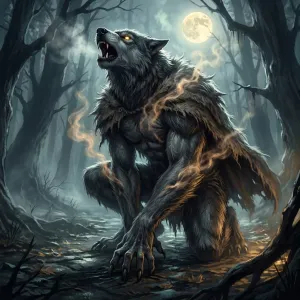
The tragic curse of lycanthropy: a human who transforms into a ravenous, bloodthirsty wolf under the light of the full moon. The definitive symbol of humanity's struggle against its own savage animal instincts.
Key Media Tropes & Misconceptions
- Transformation triggered by the full moon
- Lethal vulnerability to silver bullets and silver blades
- Spreading the curse through a bite or scratch
- Eternal blood-feud rivalry with vampires (modern pop culture)
Ancient Myth vs. Hollywood & Gaming
In traditional European folklore lore, Werewolf was revered or feared as a true lycanthrope (monster), representing natural forces, moral boundaries, and environmental taboos of its homeland.
Modern gaming and pop culture frequently adapt Werewolf into combat encounters, boss battles, or creature features, amplifying its physical menace while streamlining ancient rituals.
While popular media often treats Werewolf as a generic monster to be slain with weapons, ancient folklore taught that it could only be appeased, warded off with sacred taboos, or avoided entirely.
Verified Media Appearances
Explore every notable video game, movie, television, and literary depiction.
An American Werewolf in London
John Landis / Rick Baker
Features the greatest practical-effects transformation sequence in cinematic history, setting the standard for werewolf body-horror.
The Witcher 3: Wild Hunt
CD Projekt Red
Tragic cursed men who regenerate health in combat unless struck by Moon Dust bombs and cursed oil.
Underworld Series
Sony Pictures
The Lycans, led by Lucian, engage in a centuries-old war against the aristocratic vampire covens in a gothic action saga.
Harry Potter and the Prisoner of Azkaban
J.K. Rowling / Warner Bros.
Professor Remus Lupin struggles with his monthly lycanthropy, taking Wolfsbane Potion to keep his human mind during the full moon.
The Wolf Among Us
Telltale Games / Bill Willingham
Bigby Wolf (the Big Bad Wolf) serves as sheriff of Fabletown, transforming through multiple stages of feral wolf form.
Frequently Asked Questions
Why are werewolves weak to silver?
The silver weakness became widespread in modern folklore through early 20th-century cinema (specifically Universal's 1941 classic 'The Wolf Man'). In older folklore, silver was associated with the purity of the moon and divine light.
How did Rick Baker create the transformation in An American Werewolf in London?
Makeup artist Rick Baker created the Oscar-winning 1981 transformation using mechanical air bladders underneath latex flesh, stretching animatronic snout skeletons, and hand-controlled hair prosthetics.
Discover the True Myth Behind Werewolf
Dive deeper into traditional folklore with our complete codex entry, including authentic origin myths, survival advice, weaknesses, and powers.