Mokèlé-mbèmbé
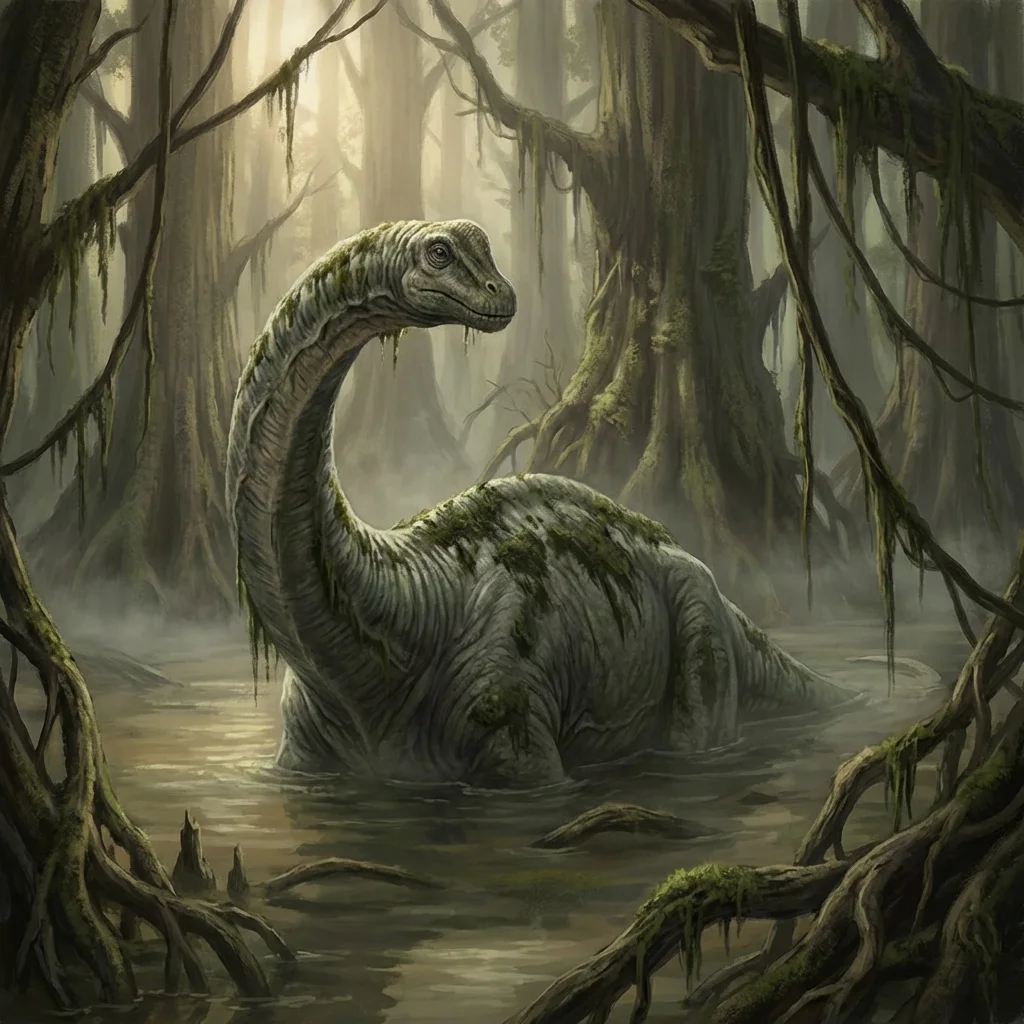
Native to Sudanic/Central African, Mokèlé-mbèmbé is a cryptid/beast of congo basin.
Mokèlé-mbèmbé Lore & Origins
Mokèlé-mbèmbé Encounter Protocols & Field Notes
- Half-moon, broad footprints in river clay and parallel drag marks through water plants, often found where water lilies are stripped clean.
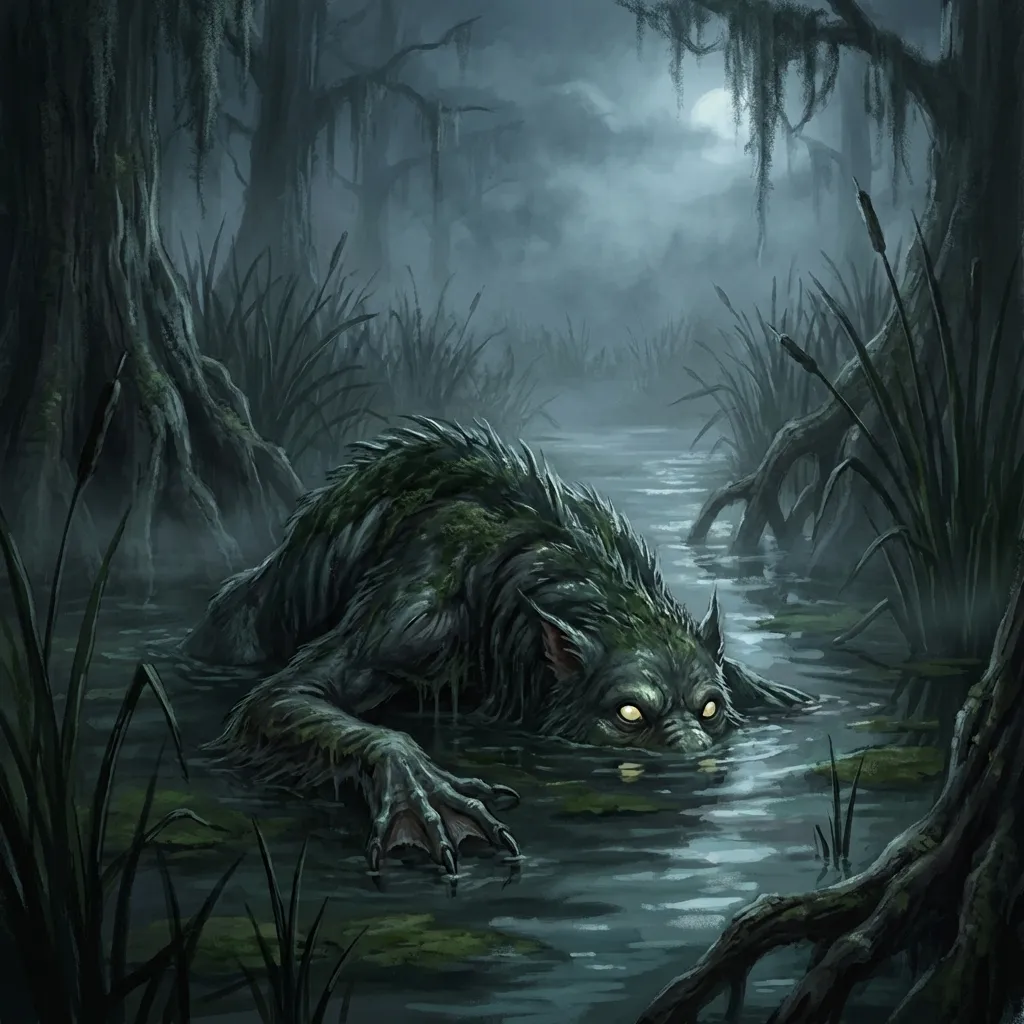
- behavior: Primarily solitary and crepuscular, Mokèlé-mbèmbé favors shallow river bends and flooded forest edges. It grazes on aquatic and riparian vegetation, surfaces to feed or breathe, and can remain submerged for long periods. It is not overtly predatory but will defend territory if cornered—movements are slow, powerful, and deliberate rather than frantic.
- interaction: Approach only from concealed, upwind vantage points and observe quietly with optics; avoid loud engines or sudden boat maneuvers. Do not attempt to herd, chase, or block escape routes—respecting its access to deeper water reduces the chance of a defensive reaction. Photographic or audio records are preferred over physical approaches.
- offering: Local guidance suggests leaving bundles of river plants or allowing stretches of riverbank to remain undisturbed; symbolic gestures of respect (quiet, non-invasive observation) are the safest form of appeasement.
Mokèlé-mbèmbé Abilities & Powers
- River-Dam StompA single heavy stomp or rooted plunge into a channel can churn silt and uproot riverine trees, temporarily damming streams and forcing waterways to re-route.
- Submerged StillnessCan lie nearly motionless and barely surface for days, masking its presence in mud and aquatic vegetation and evading trackers.
- Ancient Neck SweepA long, whip-like neck sweep can smash dugout canoes, topple small trees and clear banks without approaching the shore closely.
Weaknesses & How to Defeat the Mokèlé-mbèmbé
- Narrow-Gorge EntrapmentRestricted, rocky rapids and tight gorges prevent its broad turning radius and can trap or immobilize it.
- Saltwater StressExtended exposure to brackish or open saltwater causes skin irritation and disorientation, forcing it back to freshwater systems.
Related Monsters
Who Would Win?
Think you know everything about the Mokèlé-mbèmbé? Test your knowledge in our Battle Matchups simulator to see how it fares against other legendary creatures.
Recommended Reading
Expand your library with these top-rated books on global mythology & folklore

Mythology: Timeless Tales of Gods and Heroes
By Edith HamiltonThe absolute standard for Greek, Roman, and Norse mythology studies. Excellent source for understanding gods and classic monsters.

The Hero with a Thousand Faces
By Joseph CampbellExplores the monomyth (the Hero's Journey) across global folklore and mythic archetypes, outlining why these stories persist.
Affiliate Disclosure: As an Amazon Associate, we earn from qualifying purchases when you buy recommended books through our links.
Want to discover something else?
Fall down the mythic rabbit hole. Click below to discover a completely random creature from our archives.