Greek & Roman Mythology
Titans, Chimeras & Underworld Horrors
Ancient Greek mythology chronicled primal titans, chimeric beasts created by wrathful Olympians, and monsters guarding the boundaries of the Underworld. From the labyrinth beneath Knossos to the burning shores of the Styx, these creatures tested the virtues, martial skill, and hubris of legendary heroes.

Aphrodite
Aphrodite is a Deity of the Greek pantheon, felt more often than seen: a coastal shimmer where sea-spray and blossom-scent gather at the edge of thought....
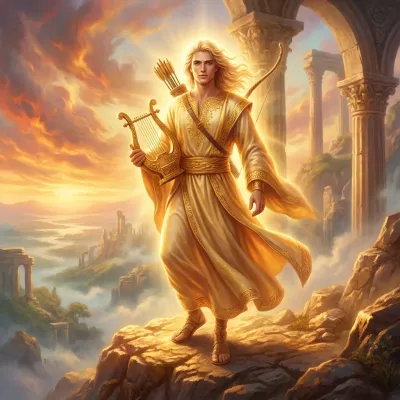
Apollo
Apollo is a Deity of light, music, and prophecy whose presence reads like weather: the air tastes of crushed laurel and warm beeswax, sound resolves into...
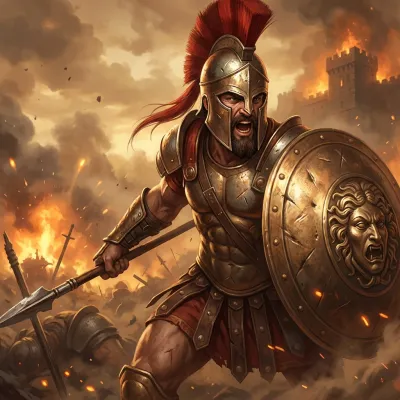
Ares
Ares is a Deity of war and raw conflict, felt more than seen: the air thickens with a metallic tang, as if a distant forge and a wet field share the same...

Artemis
Artemis is a Deity of the hunt, moon, and wild places; she moves through forest and mountain like a season. In the field she is perceived as cool and cry...
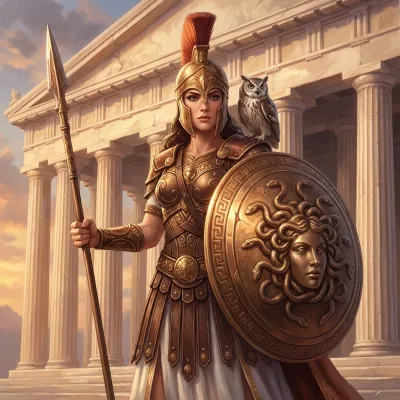
Athena
Athena is a Deity: a bronze-eyed patron of craft, strategy, and measured war whose presence reads like a changed landscape. Smell: olive oil warmed by su...
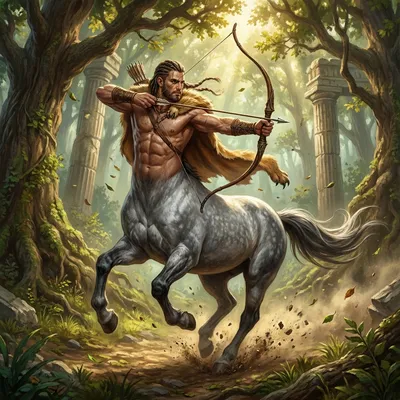
Centaur
The Centaur is a liminal being, the fusion of a human torso and head atop the body of a horse. They are creatures of dual nature—often depicted as wild, untamed...
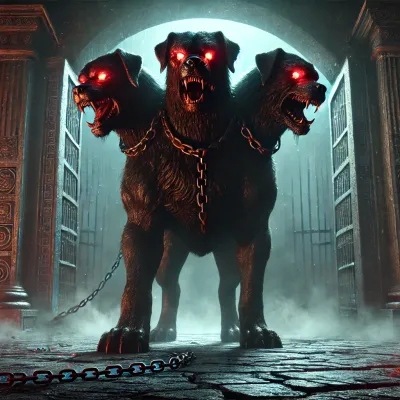
Cerberus
Cerberus is a Guardian Beast — an enormous, triple-headed hound bound to the threshold of the underworld. Smell: the air about it carries damp earth, col...

Charon
Charon is a Deity (Psychopomp) — the ferryman who shepherds souls across the boundary river. In field notes he registers as a gaunt, hooded presence at t...
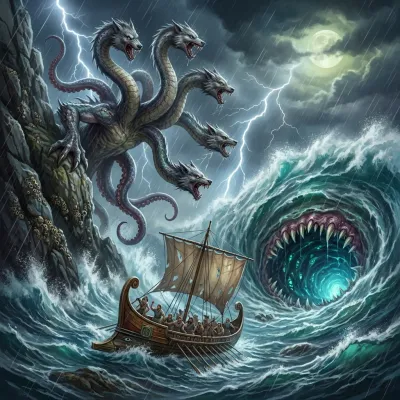
Charybdis
Charybdis is a hostile sea monster told of in the narrow straits of ancient mariners — less a creature of flesh than a living void in the water. Up close...
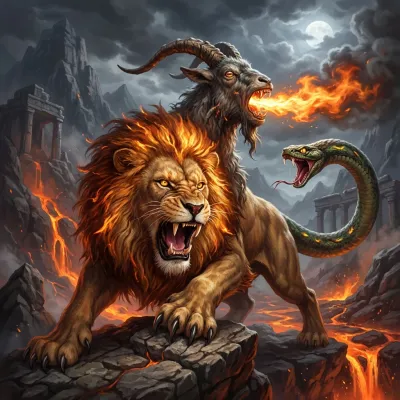
Chimera
Chimera is a composite predator—lion at the fore, goat upon its back, and a serpentine tail—recorded in rocky, sun-baked ranges. Smell: a sharp, acrid ta...
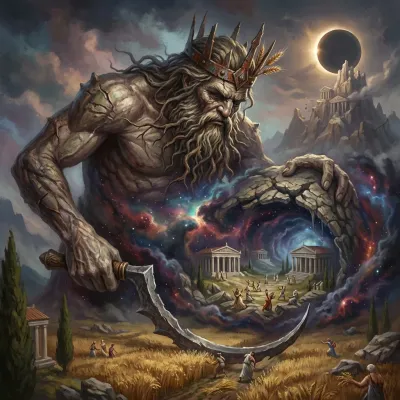
Cronus
Cronus is a Deity (Titan) observed in lore as an immense, dusk-wreathed presence tied to the slow passages of time and the turning of the harvest. Field ...
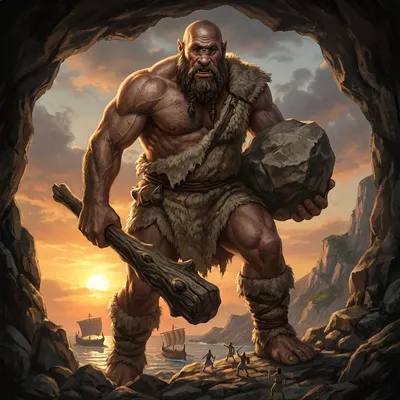
Cyclops
Cyclops is a Monster (Giant) — a hulking, solitary shepherd or smith of myths, built like a living boulder with one vast eye Set" clas...
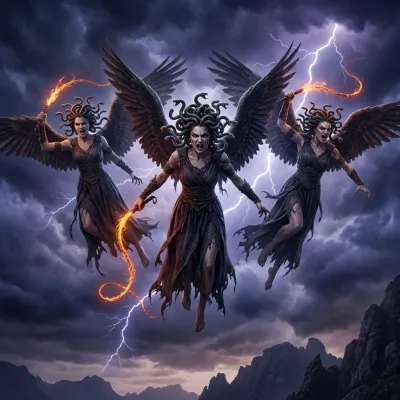
Furies
Furies are chthonic deities of retribution — the field-naturalist's note records them not as blazing titans but as an intrusion of cold and law: the air ...
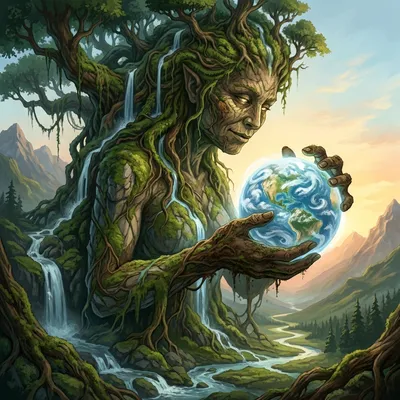
Gaia
Gaia is a Deity — the primal Earth Mother, a presence perceived through soil, stone, and slow change. Approaching her is like reading a living landscape:...
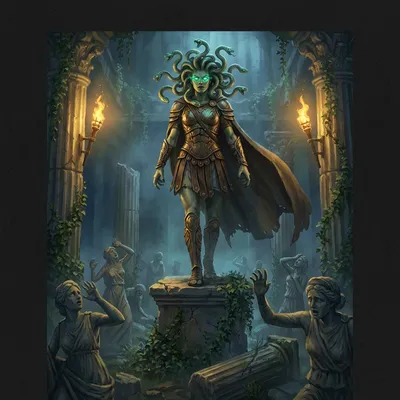
Gorgon
Gorgon is a Monster: a low, sinewed silhouette crowned with a writhing nest of serpents where hair should be. From a field-naturalist vantage it reads li...
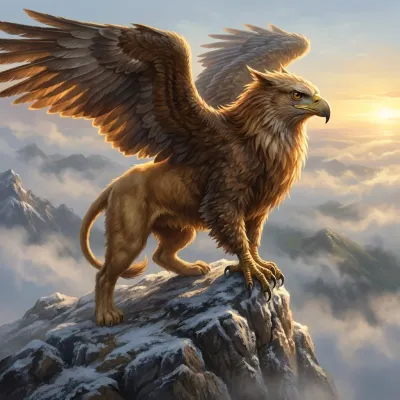
Griffin
Griffin is a Divine guardian beast: the body and strength of a great lion married to the keen head, beak, and wings of an eagle. In the field it announce...
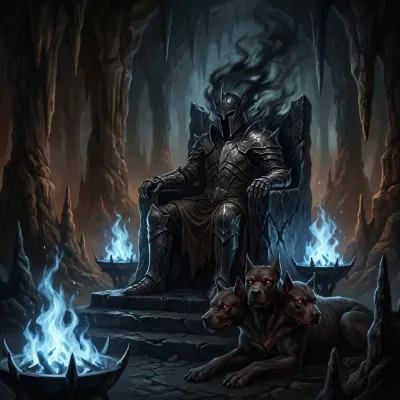
Hades
Hades is a Deity of the Underworld—felt more than seen, an authority folded into stone and shadow. Smell: a chill of damp earth and old bronze, as if a t...
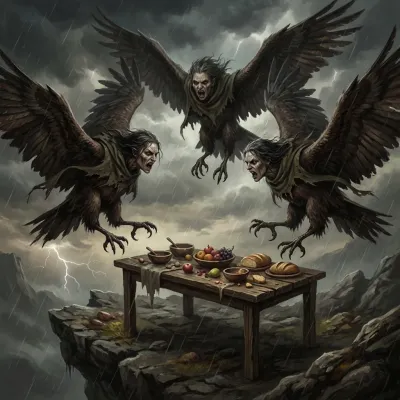
Harpies
Harpies are a Monster: lean, winged humanoids with hooked beaks and long, ragged feathers—predatory and driven by hunger or spite. Smell: a sharp, metall...
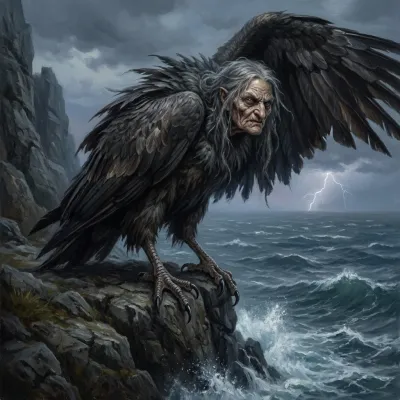
Harpy
Harpy is a Fae of wind and hunger: a compact, winged humanoid with a raptor's beak, hooked talons, and feathers that bristle like a storm front. Smell: a...
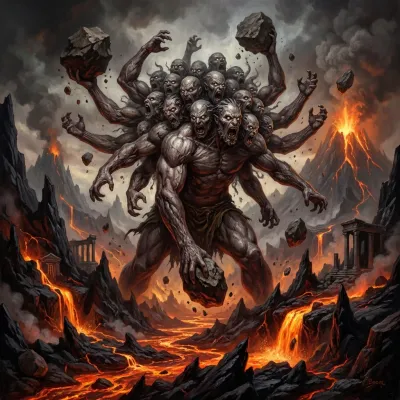
Hecatoncheires
Hecatoncheires is a Giant (Primordial) whose presence reads like an earthquake in slow motion: an impossible mass of limbs and torque bound into a single...
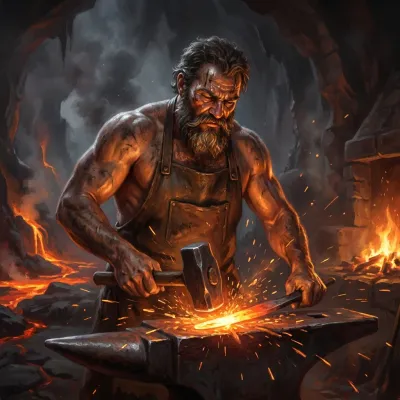
Hephaestus
Hephaestus is a Deity of the forge and fire, an artisan of volcano and anvil whose presence feels like entering a living workshop. Smell: a sharp, metall...
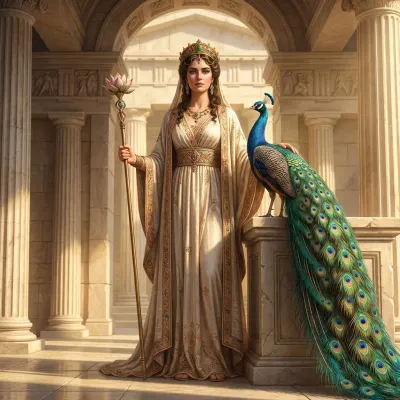
Hera
Hera is a Deity of the Greek pantheon, sovereign of marriage, household order, and regal dignity. In the field she announces herself not with wind or bla...
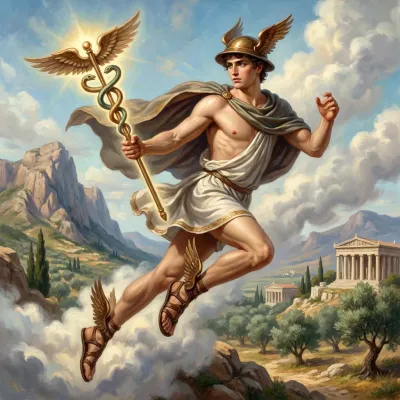
Hermes
Hermes is a Deity — the fleet-footed messenger and liminal guide of the gods. In field terms he is a transient marker on the landscape: Smell: a crisp, c...
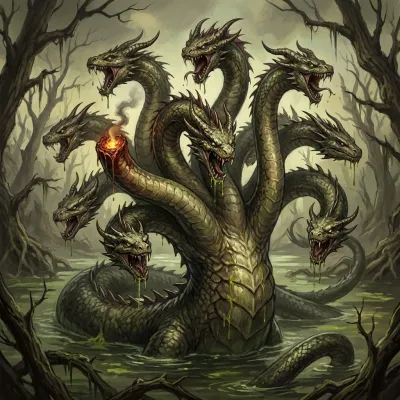
Lernaean Hydra
Greek is home to Lernaean Hydra, a beast.
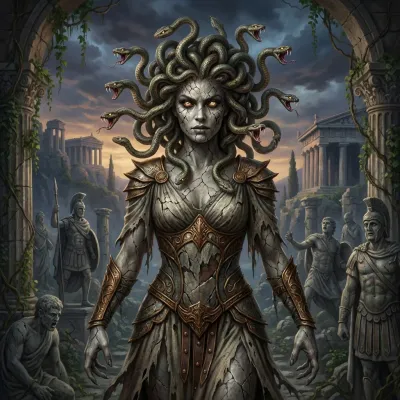
Medusa
Medusa is a Gorgon" class="text-blue-400 hover:text-blue-300 transition-colors hover:underline hover:decoration-blue-500/50 decoration...
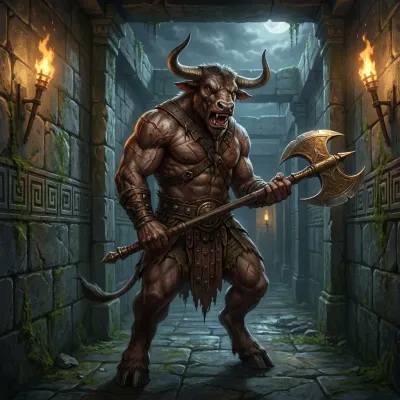
Minotaur
Minotaur is a Monster of labyrinthine stone: a bull-headed, broad-shouldered watcher born where corridors fold into shadow. Smell — a damp, rumpled musk ...

Phoenix
Phoenix is a Cryptid/Beast: a great, muscular avian woven from living flame and feather. Smell: a warm, resinous scent—like honey and frankincense over c...

Poseidon
Poseidon is a Deity of the sea, storms, and the shifting bones of the earth. Field notes record him less as a figure and more as an elemental authority: ...
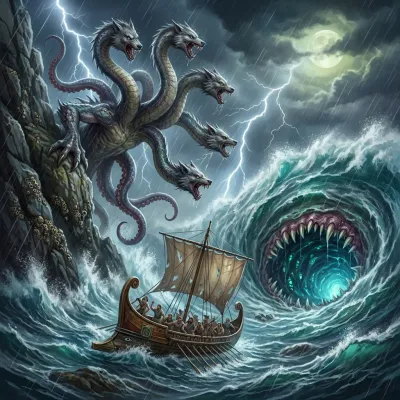
Scylla and Charybdis
Scylla and Charybdis" class="text-blue-400 hover:text-blue-300 transition-colors hover:underline hover:decoration-blue-500/50 decoration-1...
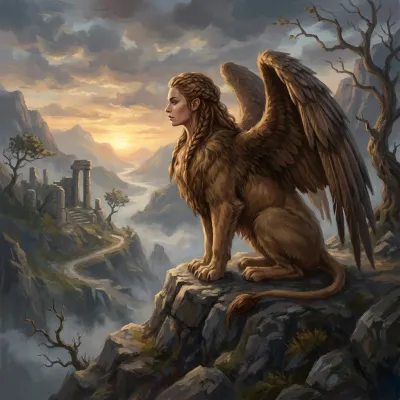
Sphinx
Sphinx is a Fae-class guardian: a hybrid of lion's bulk and a human countenance, sometimes winged, often posed like a weathered statue at crossroads or r...
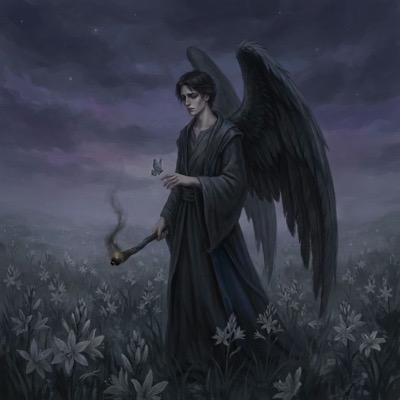
Thanatos
Thanatos is a Deity of passing and quiet endings, often perceived as an incorporeal, shadow-brushed presence rather than a roaring force. Smell: a cold, ...
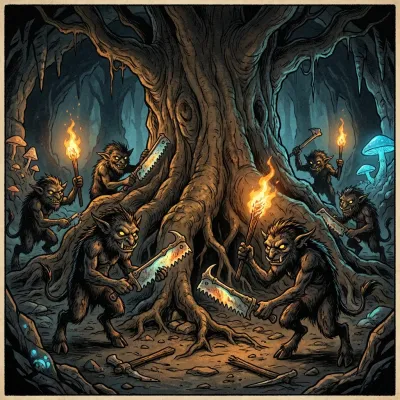
The Kallikantzaroi
The Kallikantzaroi are small, crooked fae that visit households in the depth of winter. A field observer would note a scent of damp loam and smoldering h...
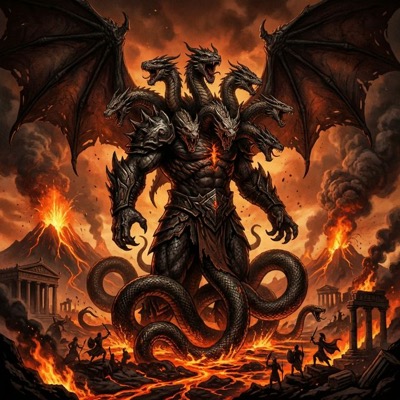
Typhon
Typhon is a Primordial Monster — a mountain-sized tangle of coiling serpents, clashing wings and volcanic fury, posed between beast and storm. In the fie...
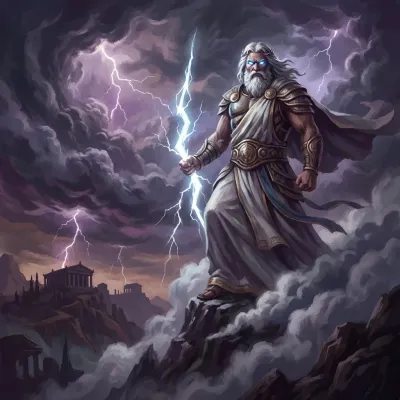
Zeus
Zeus is a Deity — the storm-king who rules the wide sky from high summits. His presence is read like weather: the air smells sharply of ozone and cold ra...
Frequently Asked Questions
Mythological background, origins, and classifications for Greek & Roman Mythology.
Q: What is the most powerful monster in Greek mythology?
Typhon is universally considered the most catastrophic monster in Greek myth: a titanic serpent-giant whose heads brushed the stars, capable of overpowering Zeus and ripping the sinews from his limbs.
Q: What is the difference between Greek and Roman monster depictions?
Roman mythology adopted most Greek monster archetypes (often synchronizing Greek gods with Roman counterparts), but frequently focused on imperial symbolism, civic virtues, and darker underworld omens.
Q: How are Greek monsters classified in the Beastkeeper Archives?
Greek beasts are classified into Chimeras (hybrid mutations like the Chimera or Sphinx), Underworld Wardens (Cerberus, Harpies), and Primal Titans (Typhon, Echidna, Scylla).
Explore Other Pantheons
Continue your investigation across global folklore traditions.
Unlock the Complete Greek & Roman Mythology Field Manuscript
Download all anatomical illustrations, combat weakness notes, and mythological profiles for home printing or offline fieldwork.