Japanese Folklore & Yokai
Spirits, Oni & Mystical Kami
Japanese yokai encompass an astonishing spectrum of supernatural entities, animistic spirits, trickster beasts, and vengeful ghosts (yūrei). Influenced by Shinto reverence for nature and Buddhist karmic cycles, yokai personify sudden atmospheric shifts, moral taboos, and uncanny village phenomena.
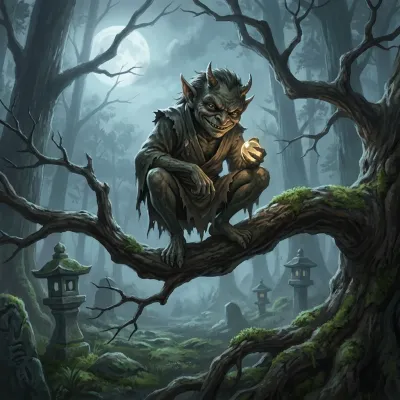
Amanojaku
Amanojaku is a small, willful Fae—an obstinate yokai that prefers to work from the seam between decisions. Field notes: it is less a stable form than a d...
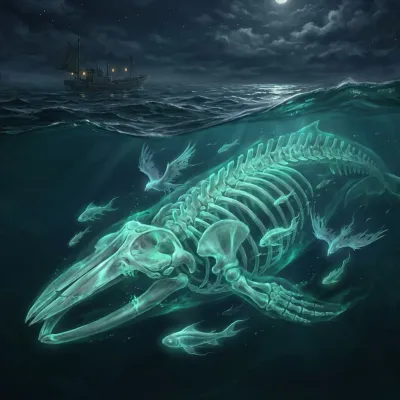
Bake-kujira
Bake-kujira is a yokai — the pale, drifting skeleton of a whale that moves like a slow Ghost" class="text-blue-400 hover:text-blue-300...
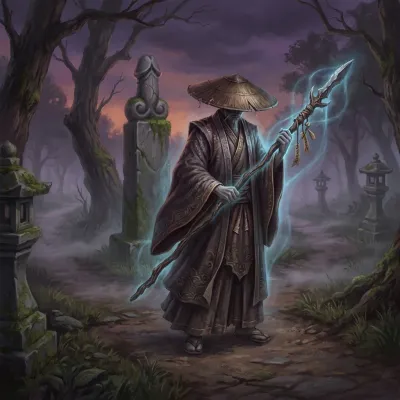
Chimata-no-Kami
Chimata-No-Kami is a roadside kami that presides over crossroads, thresholds and the small liminal spaces between villages. In field terms it reads less ...
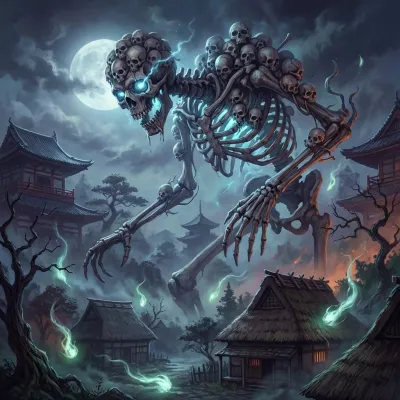
Gashadokuro
Gashadokuro is a towering skeletal yokai said to form where many dead were left unburied. In the field it appears less like a single beast and more like ...
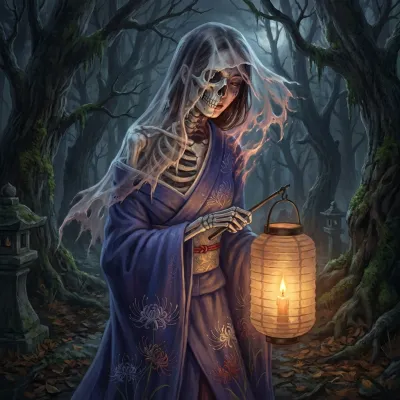
Hone-onna
Hone-onna is a Fae (Yōkai) often recorded as a woman whose porcelain skin sometimes parts like thin gauze to reveal a faint, skeletal lattice beneath. Fi...
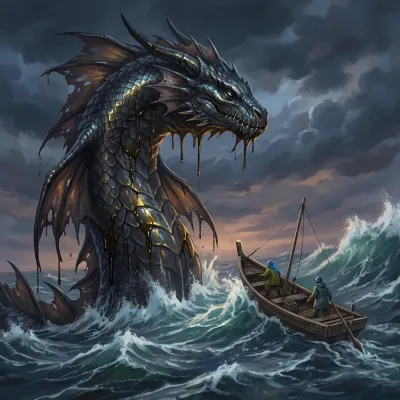
Ikuchi
Ikuchi is a Cryptid sea serpent reported along coastal Japan — a long, sinuous mass that glides over hulls and leaves a slow, clinging trail. In the fiel...
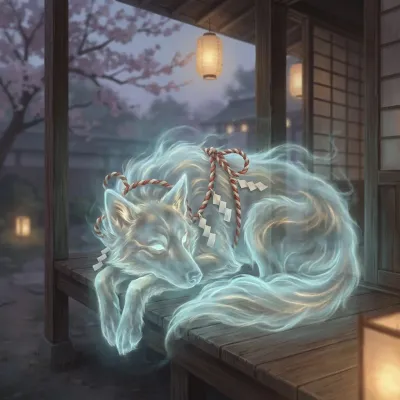
Inugami
Inugami is a Fae (yōkai/house spirit) often described as a doglike presence born of oath and knot; it reads like a familiar bound to homes or those who s...
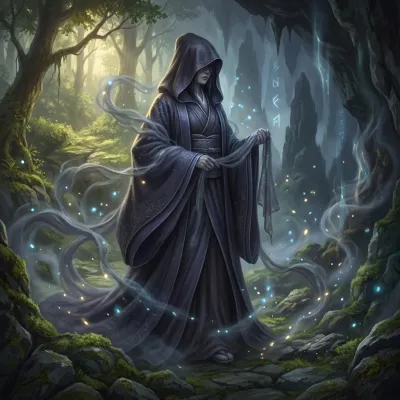
Izanami
Izanami is a Deity of birth and the shadowed realm of the dead. She registers less as a figure and more as a shift in the environment: smell, sound and t...
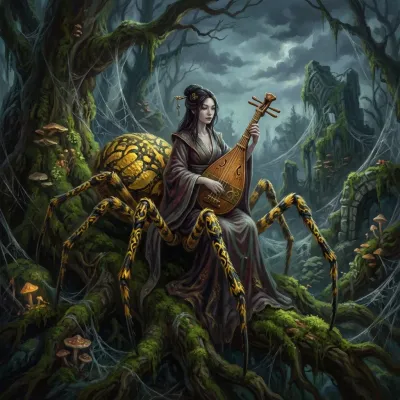
Jorōgumo
Jorōgumo is a Hostile yokai—an arachnoid predator from riverside and mountain lore that is famed for weaving elaborate traps and sometimes assuming a hum...
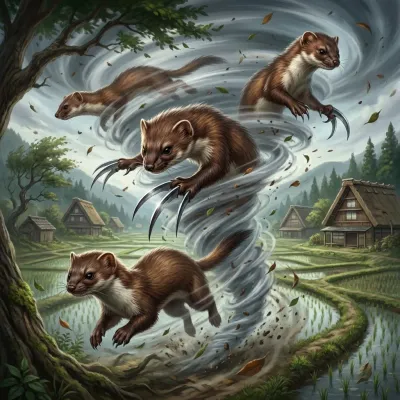
Kamaitachi
Kamaitachi is a Fae commonly reported as a weasel-like shape borne on a sudden whirl of wind. Field notes describe a low, sinuous body wrapped in ruffled...
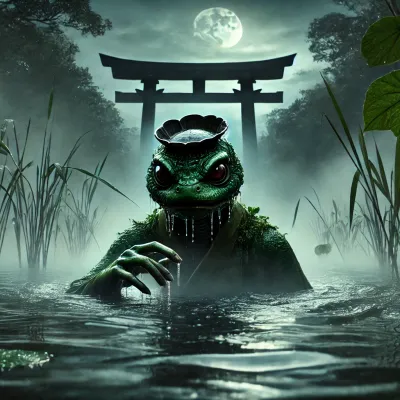
Kappa
Kappa is a Fae (yokai) of rivers and ponds, often depicted child-sized with a turtle-like shell and a shallow hollow or "dish" atop its head that holds w...
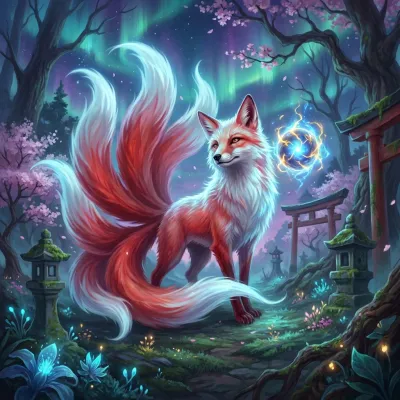
Kitsune (Nine-Tailed Fox)
In Japanese folklore and Shinto tradition, foxes (Kitsune) are celebrated as sacred messengers of Inari Ōkami—the deity of rice, prosperity, and agric...
Kitsune (Nine-Tailed Fox)
In Japanese folklore and Shinto tradition, foxes (Kitsune) are celebrated as sacred messengers of Inari Ōkami—the deity of rice, prosperity, and agric...
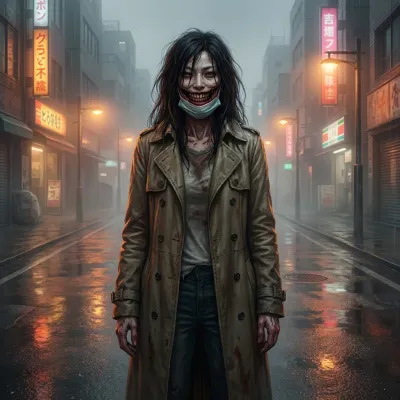
Kuchisake-onna
Kuchisake-onna is a Yōkai encountered at twilight and in the quiet pockets of towns — a woman draped in ordinary clothing whose face is concealed by a su...
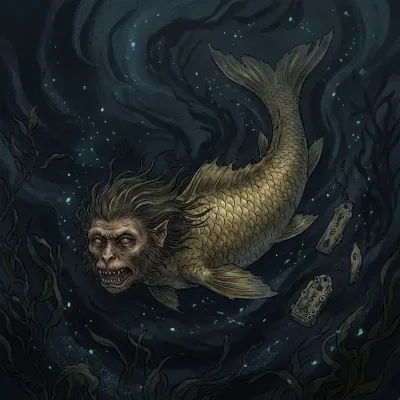
Ningyo
Ningyo is a Cryptid — a rare, coastal merfolk recorded in scattered fishing logs and village lore. Seen at the edge of surf, it presents as a small, huma...
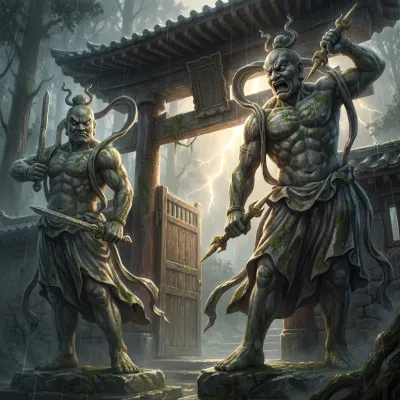
Nio Guardians
Nio Guardians are towering, oath-bound gate deities—massive in stance, sculpted like living bronze. Smell: a steady braid of incense smoke and the faint ...
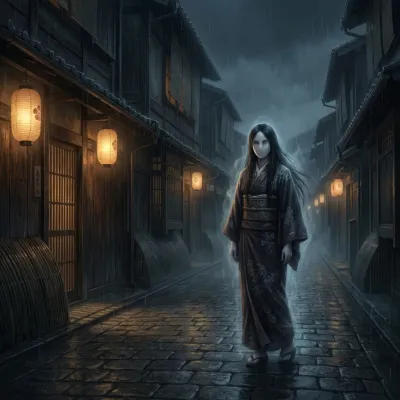
Noppera-bō
Noppera-bō is a trickster yōkai encountered on lonely roads, riverbanks, and in the dim rooms of inns. Field notes: a human silhouette that, when watched...
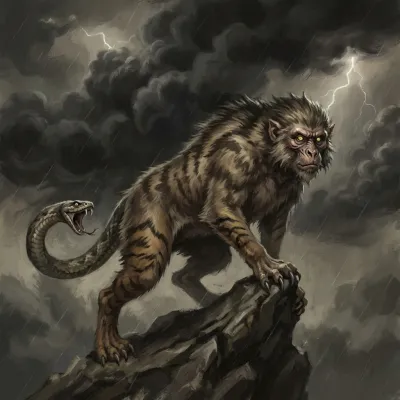
Nue
Nue is a Hostile (Monster): a Chimera" class="text-blue-400 hover:text-blue-300 transition-colors hover:underline hover:decoration-blu...
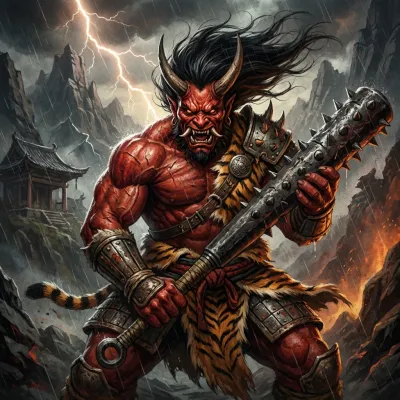
Oni
Oni is a Yōkai often recorded as a hulking, horned demon with the gait and bulk of a mountain predator. In the field they announce themselves long before...
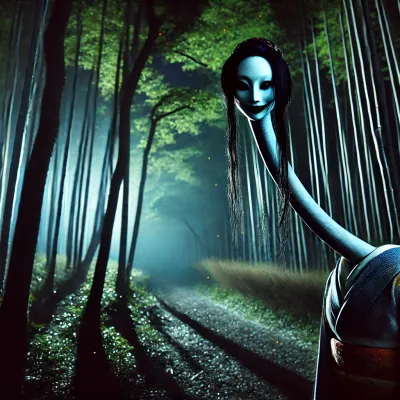
Rokurokubi
Rokurokubi is a Fae (yokai) that appears human by day but, under nightlight, reveals a neck that lengthens into a sinuous, controllable column. Field not...
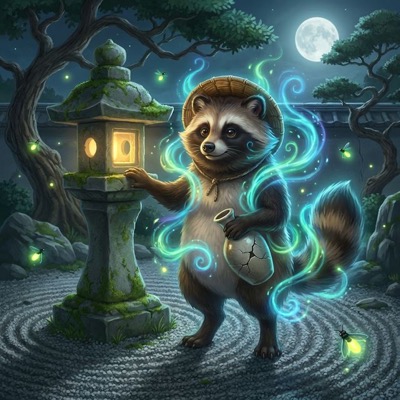
Tanuki
Tanuki is a Fae—earthy, stocky, and liminal, found where lane meets wood and village meets rice-field. Smell: a faint, yeasty tang of fermenting rice mix...
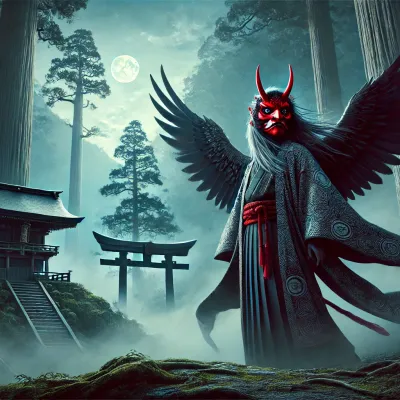
Tengu
Tengu is a Fae: a mountain-dwelling trickster spirit that wears the silhouette of a bird and the posture of a stern ascetic. In field notes one records i...

Yuki-onna
Yuki-onna is a cold, wraithlike spirit seen in snowbound regions—an ethereal woman in white whose presence reads like a sudden freeze in the world. Smell...
Frequently Asked Questions
Mythological background, origins, and classifications for Japanese Folklore & Yokai.
Q: What is the difference between a Yokai and a Kami?
Kami are divine spirits and deities venerated in Shinto shrines representing cosmic or natural forces, while yokai are bizarre, trickster, or monstrous spirits that disrupt everyday human life.
Q: What is the most famous shapeshifting yokai?
The Kitsune (nine-tailed fox) and Tanuki (raccoon dog) are the most renowned shapeshifters in Japanese folklore, capable of illusion magic, possession, and living among humans undetected.
Q: How do investigators ward off an Oni or Tengu?
Oni are traditionally repelled by scattered roasted soybeans (Setsubun) and holy talismans (ofuda), while Tengu require respectful negotiations, sword-mastery offerings, and mountain rites.
Explore Other Pantheons
Continue your investigation across global folklore traditions.
Unlock the Complete Japanese Folklore & Yokai Field Manuscript
Download all anatomical illustrations, combat weakness notes, and mythological profiles for home printing or offline fieldwork.