The Witcher Bestiary
Slavic Folklore & Dark Fantasy Bestiary
Andrzej Sapkowski and CD Projekt Red grounded The Witcher in authentic Central and Eastern European mythology, rejecting generic high-fantasy tropes in favor of grim folk curses and rural animism.
How Slavic Village Superstitions Shaped Geralt's World
Unlike Western high fantasy which heavily favors Tolkienian elves, dwarves, and dragons, The Witcher draws primarily from West and South Slavic folklore. In traditional Slavic belief, nature was not an empty wilderness but a living web populated by spirits (Duchy) attached to specific hearths, crossroads, rivers, and grain fields.
Monsters in The Witcher universe are rarely born evil; instead, creatures like the Strzyga, Noonwraith (Poludnitsa), and Botchling are born from profound human tragedy—betrayal, unbaptized death, suicide, or unavenged murder. Geralt of Rivia's profession as a witcher mirrors ancient folk 'wise men' (znakhars) who didn't simply slaughter beasts, but performed ritual appeasement and lifted curses.
The Conjunction of the Spheres provides an ingenious in-universe cosmological explanation for why European, Celtic, and Nordic entities coexist in the Northern Realms alongside native Slavic horrors.
- Spirits born from human guilt and tragedy
- Eldritch animism and rural superstitions
- Lifting curses through ancient ritual knowledge
- The moral ambiguity between beast and man
All 41 Creatures in The Witcher
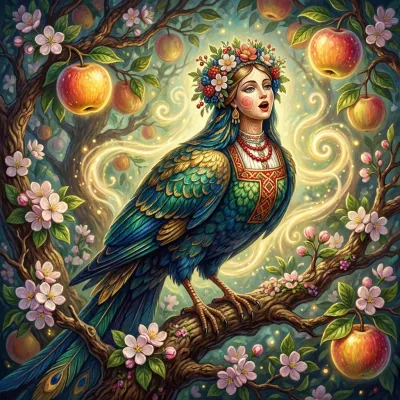
Alkonost
Inspires regional monster contracts and dark fantasy bestiary entries, requiring silver swords, specific oils, and deep folklore investigation to defeat.
In traditional Slavic lore, Alkonost was revered or feared as a true fae (bird-spirit), representing natural forces, moral boundaries, and environmental taboos of its homeland.
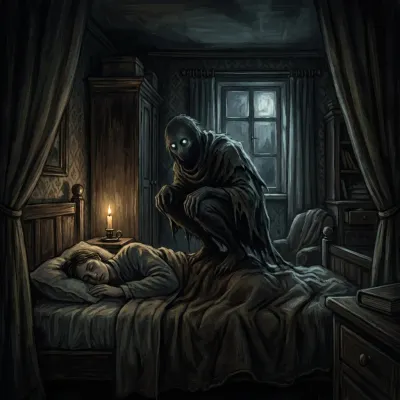
Alp
Inspires regional monster contracts and dark fantasy bestiary entries, requiring silver swords, specific oils, and deep folklore investigation to defeat.
In traditional Germanic lore, Alp was revered or feared as a true fae (nocturnal spirit), representing natural forces, moral boundaries, and environmental taboos of its homeland.
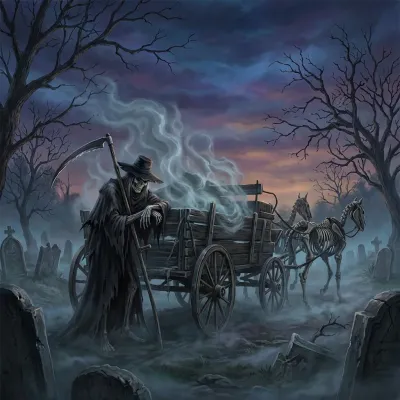
Ankou
Inspires regional monster contracts and dark fantasy bestiary entries, requiring silver swords, specific oils, and deep folklore investigation to defeat.
In traditional Breton (Celtic) lore, Ankou was revered or feared as a true spirit (psychopomp), representing natural forces, moral boundaries, and environmental taboos of its homeland.
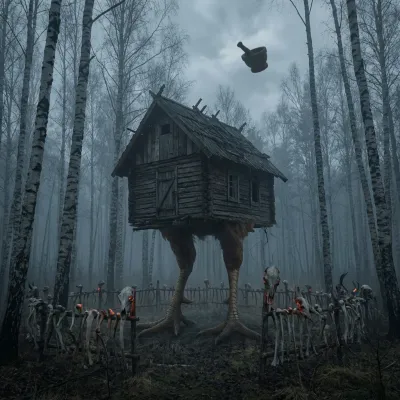
Baba Yaga
The Crones of Crookback Bog (Brewess, Weavess, and Whispess) in 'The Witcher 3' are heavily drawn from Baba Yaga folklore.
In traditional Slavic lore, Baba Yaga was revered or feared as a true fae (witch), representing natural forces, moral boundaries, and environmental taboos of its homeland.
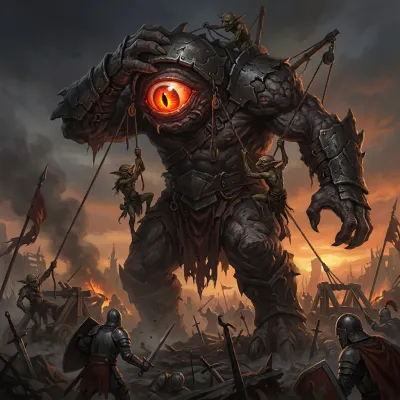
Balor of the Evil Eye
Inspires regional monster contracts and dark fantasy bestiary entries, requiring silver swords, specific oils, and deep folklore investigation to defeat.
In traditional Irish (Celtic) lore, Balor of the Evil Eye was revered or feared as a true fomorian giant, representing natural forces, moral boundaries, and environmental taboos of its homeland.
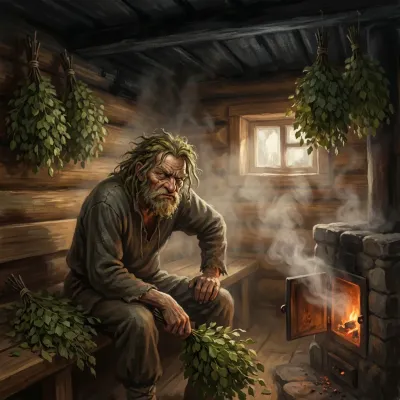
Bannik
Inspires regional monster contracts and dark fantasy bestiary entries, requiring silver swords, specific oils, and deep folklore investigation to defeat.
In traditional East Slavic lore, Bannik was revered or feared as a true fae (bathhouse spirit), representing natural forces, moral boundaries, and environmental taboos of its homeland.
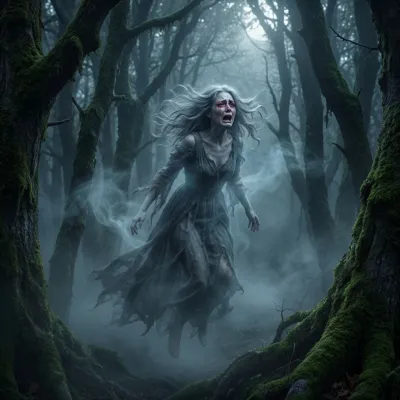
Banshee
Spectral wraiths cloaked in red shawls whose piercing shriek disorients Geralt and summons skeleton minions.
In traditional Irish (Gaelic) lore, Banshee was revered or feared as a true spirit (fae), representing natural forces, moral boundaries, and environmental taboos of its homeland.
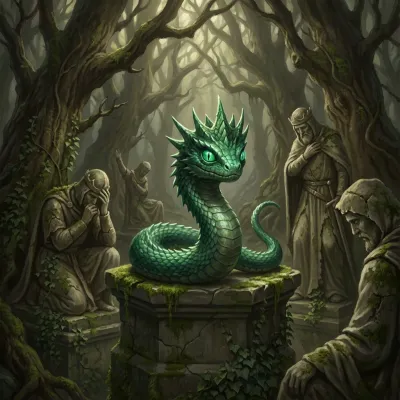
Basilisk
Ornithosaurian flying draconic beasts with bird-like heads that Geralt hunts on high cliffs and mountain passes.
In traditional Medieval European folklore lore, Basilisk was revered or feared as a true beast (monster), representing natural forces, moral boundaries, and environmental taboos of its homeland.
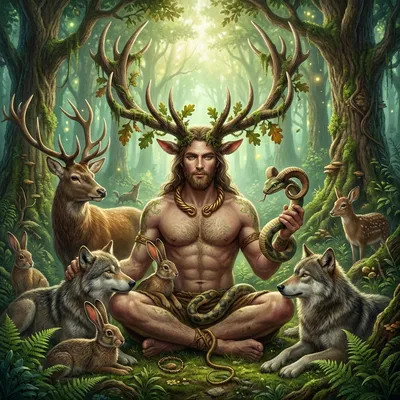
Cernunnos
Inspires regional monster contracts and dark fantasy bestiary entries, requiring silver swords, specific oils, and deep folklore investigation to defeat.
In traditional Celtic lore, Cernunnos was revered or feared as a true deity, representing natural forces, moral boundaries, and environmental taboos of its homeland.
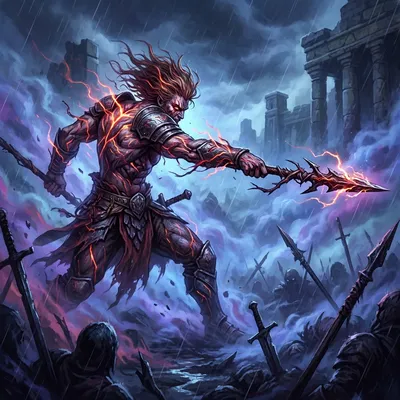
Cú Chulainn
Inspires regional monster contracts and dark fantasy bestiary entries, requiring silver swords, specific oils, and deep folklore investigation to defeat.
In traditional Irish (Celtic) lore, Cú Chulainn was revered or feared as a true legendary warrior, representing natural forces, moral boundaries, and environmental taboos of its homeland.
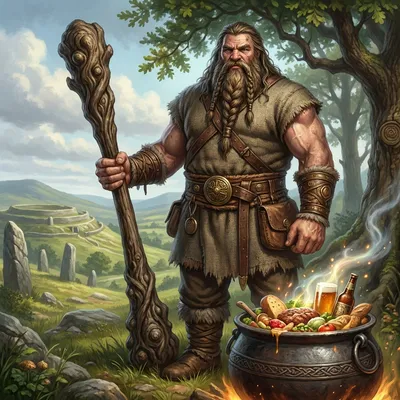
Dagda
Inspires regional monster contracts and dark fantasy bestiary entries, requiring silver swords, specific oils, and deep folklore investigation to defeat.
In traditional Celtic (Irish) lore, Dagda was revered or feared as a true deity, representing natural forces, moral boundaries, and environmental taboos of its homeland.
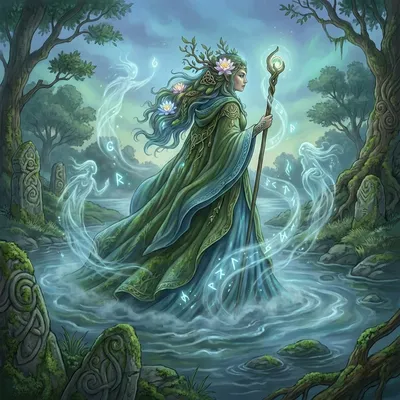
Danu
Inspires regional monster contracts and dark fantasy bestiary entries, requiring silver swords, specific oils, and deep folklore investigation to defeat.
In traditional Celtic lore, Danu was revered or feared as a true deity, representing natural forces, moral boundaries, and environmental taboos of its homeland.
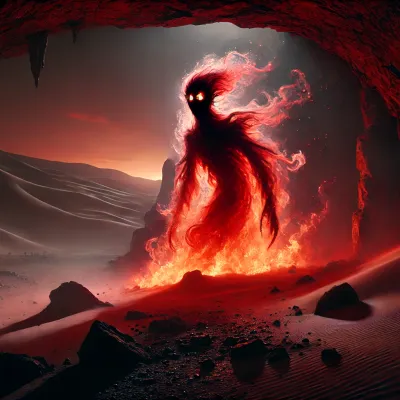
Djinn
Geralt and Yennefer capture a storm Djinn atop Mount Hindarsfjall in 'The Last Wish' to test whether their love was artificial.
In traditional Pre-Islamic Arabian & Islamic folklore lore, Djinn was revered or feared as a true fae (spirit), representing natural forces, moral boundaries, and environmental taboos of its homeland.
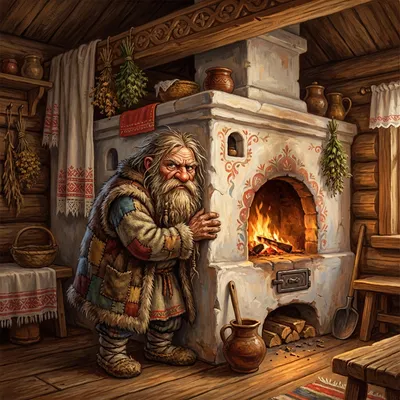
Domovoi
Inspires regional monster contracts and dark fantasy bestiary entries, requiring silver swords, specific oils, and deep folklore investigation to defeat.
In traditional Slavic lore, Domovoi was revered or feared as a true fae (household spirit), representing natural forces, moral boundaries, and environmental taboos of its homeland.
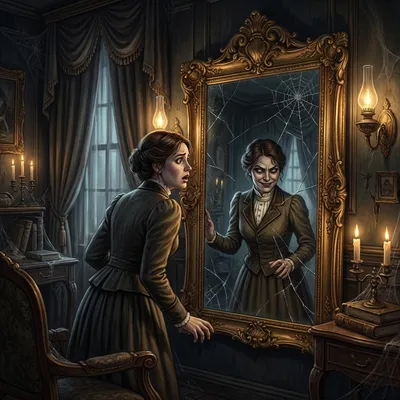
Doppelgänger
Inspires regional monster contracts and dark fantasy bestiary entries, requiring silver swords, specific oils, and deep folklore investigation to defeat.
In traditional Germanic / Central European lore, Doppelgänger was revered or feared as a true fae, representing natural forces, moral boundaries, and environmental taboos of its homeland.
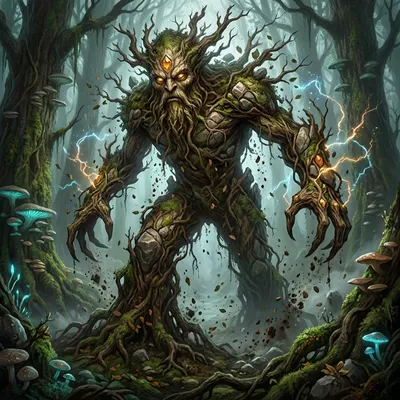
Erdgeist
Inspires regional monster contracts and dark fantasy bestiary entries, requiring silver swords, specific oils, and deep folklore investigation to defeat.
In traditional Germanic / Paracelsian lore, Erdgeist was revered or feared as a true spirit, representing natural forces, moral boundaries, and environmental taboos of its homeland.
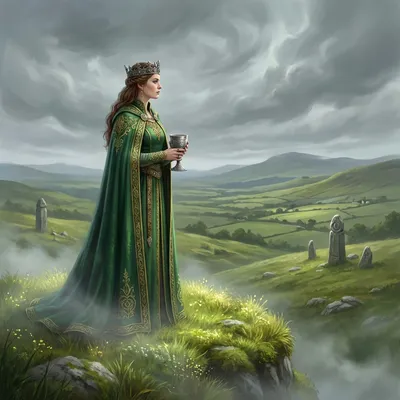
Ériu
Inspires regional monster contracts and dark fantasy bestiary entries, requiring silver swords, specific oils, and deep folklore investigation to defeat.
In traditional Irish (Celtic) lore, Ériu was revered or feared as a true deity, representing natural forces, moral boundaries, and environmental taboos of its homeland.
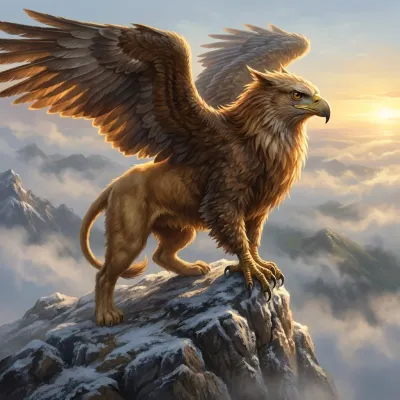
Griffin
The Royal Griffin of White Orchard is the pivotal introductory boss battle teaching players how to use the crossbow, grapeshot bombs, and Quen sign.
In traditional Ancient Greek & Scythian lore, Griffin was revered or feared as a true deity, representing natural forces, moral boundaries, and environmental taboos of its homeland.
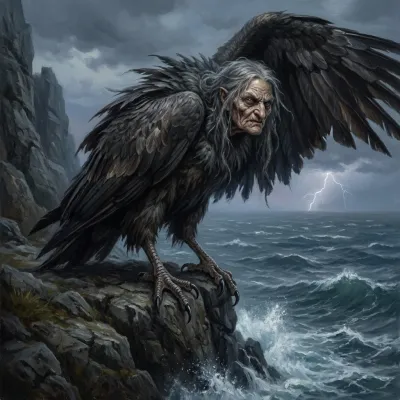
Harpy
Vicious cliff-nesting scavengers in Skellige and Velen that dive at Geralt and drop down when hit with the Aard sign.
In traditional Greek lore, Harpy was revered or feared as a true fae (monstrous winged), representing natural forces, moral boundaries, and environmental taboos of its homeland.
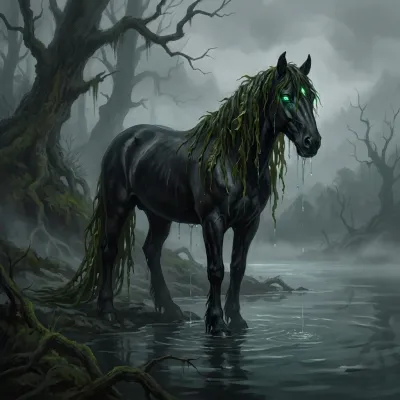
Kelpie
Ciri names her beloved, extraordinarily fast black mare 'Kelpie', honoring the legendary Scottish water horse.
In traditional Scottish lore, Kelpie was revered or feared as a true fae, representing natural forces, moral boundaries, and environmental taboos of its homeland.
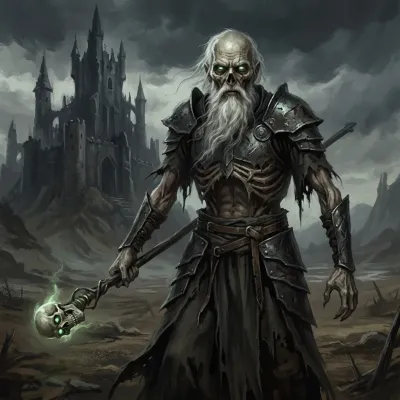
Koschei the Deathless
Inspires regional monster contracts and dark fantasy bestiary entries, requiring silver swords, specific oils, and deep folklore investigation to defeat.
In traditional Slavic lore, Koschei the Deathless was revered or feared as a true monster (undead sorcerer), representing natural forces, moral boundaries, and environmental taboos of its homeland.
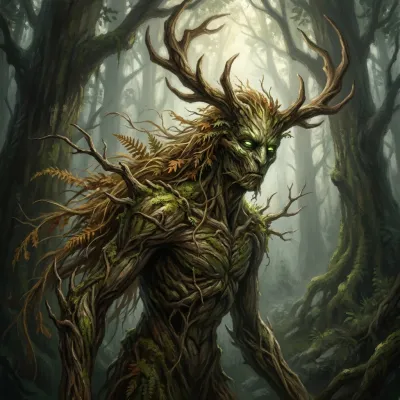
Leshy
Inspires regional monster contracts and dark fantasy bestiary entries, requiring silver swords, specific oils, and deep folklore investigation to defeat.
In traditional Slavic lore, Leshy was revered or feared as a true fae (forest spirit), representing natural forces, moral boundaries, and environmental taboos of its homeland.
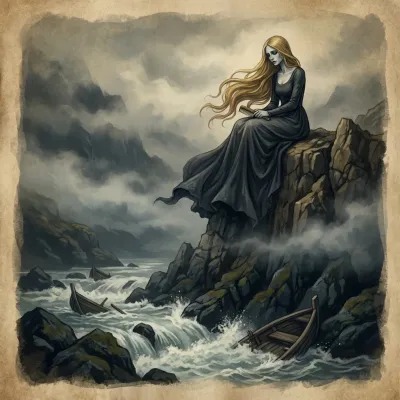
Lorelei
Inspires regional monster contracts and dark fantasy bestiary entries, requiring silver swords, specific oils, and deep folklore investigation to defeat.
In traditional Germanic lore, Lorelei was revered or feared as a true fae (siren), representing natural forces, moral boundaries, and environmental taboos of its homeland.
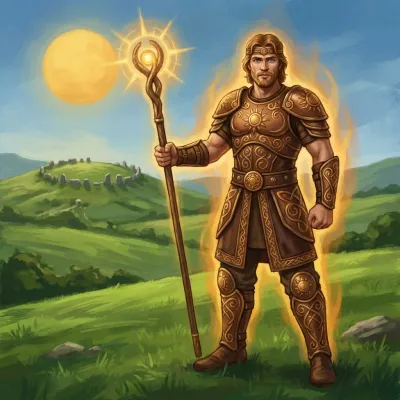
Lugh
Inspires regional monster contracts and dark fantasy bestiary entries, requiring silver swords, specific oils, and deep folklore investigation to defeat.
In traditional Irish (Celtic) lore, Lugh was revered or feared as a true deity, representing natural forces, moral boundaries, and environmental taboos of its homeland.
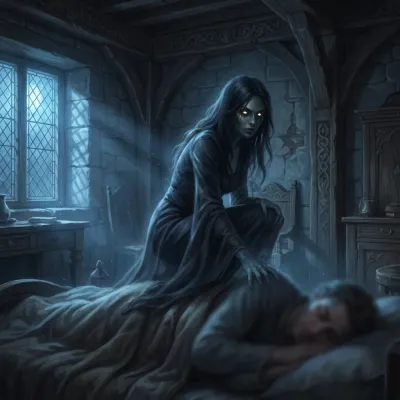
Mare
Inspires regional monster contracts and dark fantasy bestiary entries, requiring silver swords, specific oils, and deep folklore investigation to defeat.
In traditional Germanic / Norse lore, Mare was revered or feared as a true spirit, representing natural forces, moral boundaries, and environmental taboos of its homeland.
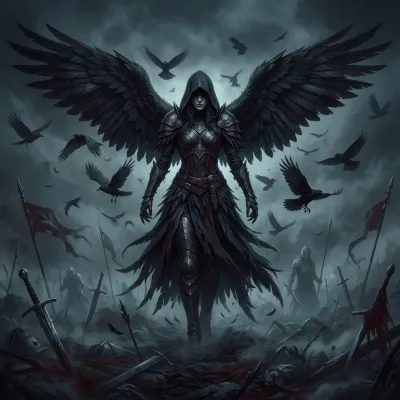
Morrígan
Inspires regional monster contracts and dark fantasy bestiary entries, requiring silver swords, specific oils, and deep folklore investigation to defeat.
In traditional Irish (Celtic) lore, Morrígan was revered or feared as a true deity, representing natural forces, moral boundaries, and environmental taboos of its homeland.
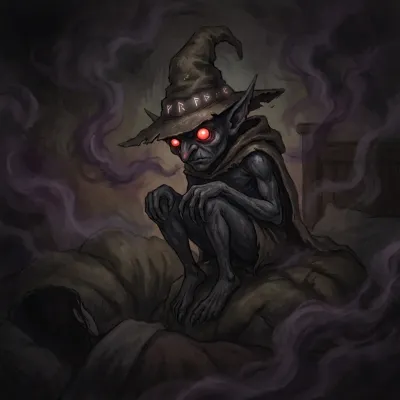
Nachtalb
Inspires regional monster contracts and dark fantasy bestiary entries, requiring silver swords, specific oils, and deep folklore investigation to defeat.
In traditional Germanic lore, Nachtalb was revered or feared as a true spirit, representing natural forces, moral boundaries, and environmental taboos of its homeland.
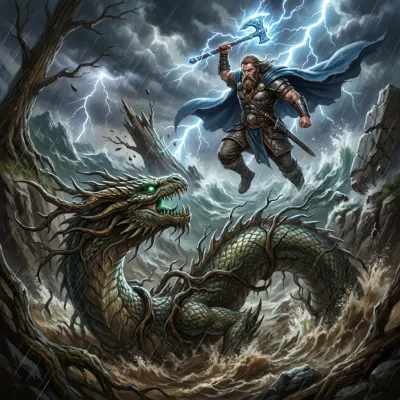
Perun and Veles
Inspires regional monster contracts and dark fantasy bestiary entries, requiring silver swords, specific oils, and deep folklore investigation to defeat.
In traditional Slavic lore, Perun and Veles was revered or feared as a true deity, representing natural forces, moral boundaries, and environmental taboos of its homeland.
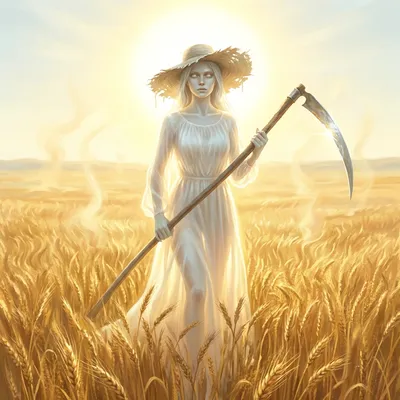
Poludnitsa
Inspires regional monster contracts and dark fantasy bestiary entries, requiring silver swords, specific oils, and deep folklore investigation to defeat.
In traditional Slavic lore, Poludnitsa was revered or feared as a true fae, representing natural forces, moral boundaries, and environmental taboos of its homeland.
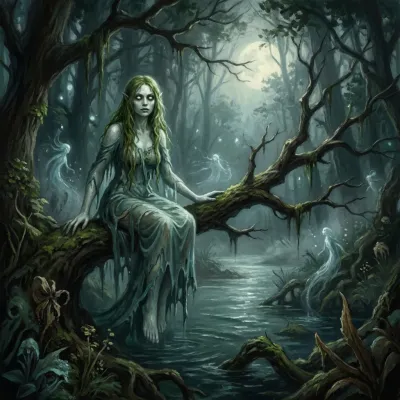
Rusalka
Inspires regional monster contracts and dark fantasy bestiary entries, requiring silver swords, specific oils, and deep folklore investigation to defeat.
In traditional Slavic lore, Rusalka was revered or feared as a true fae (water spirit), representing natural forces, moral boundaries, and environmental taboos of its homeland.
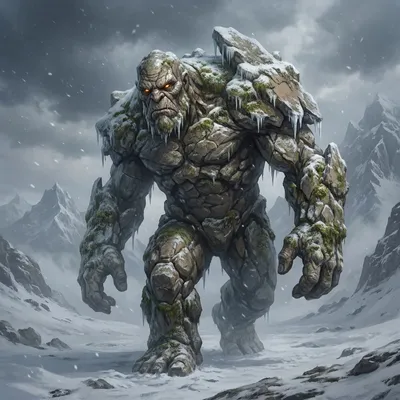
Stonecoat
Inspires regional monster contracts and dark fantasy bestiary entries, requiring silver swords, specific oils, and deep folklore investigation to defeat.
In traditional Celtic (Scottish) lore, Stonecoat was revered or feared as a true cryptid (beast), representing natural forces, moral boundaries, and environmental taboos of its homeland.
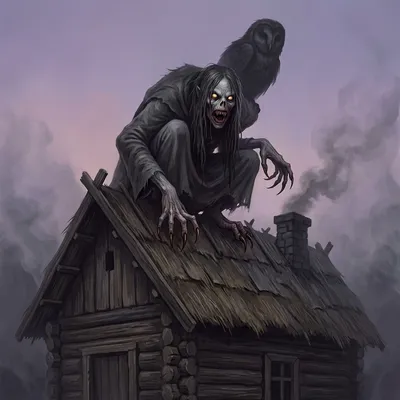
Strzyga
Inspires regional monster contracts and dark fantasy bestiary entries, requiring silver swords, specific oils, and deep folklore investigation to defeat.
In traditional Polish (Slavic folk) lore, Strzyga was revered or feared as a true undead, representing natural forces, moral boundaries, and environmental taboos of its homeland.

Vodnik
Inspires regional monster contracts and dark fantasy bestiary entries, requiring silver swords, specific oils, and deep folklore investigation to defeat.
In traditional Slavic lore, Vodnik was revered or feared as a true fae (water spirit), representing natural forces, moral boundaries, and environmental taboos of its homeland.
Vodyanoy
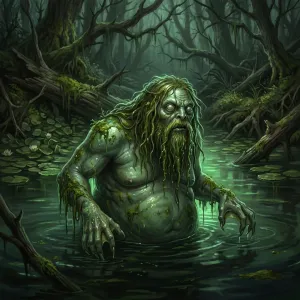
Inspires regional monster contracts and dark fantasy bestiary entries, requiring silver swords, specific oils, and deep folklore investigation to defeat.
In traditional Slavic lore, Vodyanoy was revered or feared as a true spirit, representing natural forces, moral boundaries, and environmental taboos of its homeland.
Waldgeist
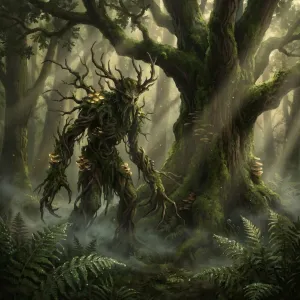
Inspires regional monster contracts and dark fantasy bestiary entries, requiring silver swords, specific oils, and deep folklore investigation to defeat.
In traditional Germanic lore, Waldgeist was revered or feared as a true fae (forest spirit), representing natural forces, moral boundaries, and environmental taboos of its homeland.
Wendigo
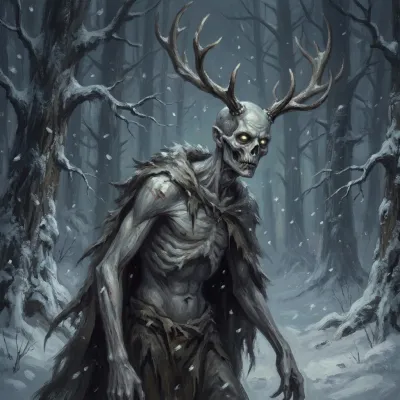
While named Leshen in game, Slavic and North American forest spirit traits blend heavily with Wendigo antler motifs in modern RPGs.
In traditional Algonquian (Anishinaabe, Cree, Innu) lore, Wendigo was revered or feared as a true spirit, representing natural forces, moral boundaries, and environmental taboos of its homeland.
Werewolf
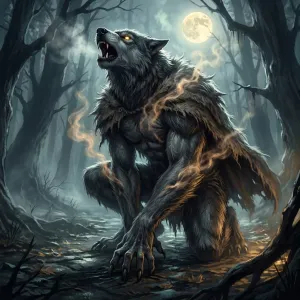
Tragic cursed men who regenerate health in combat unless struck by Moon Dust bombs and cursed oil.
In traditional European folklore lore, Werewolf was revered or feared as a true lycanthrope (monster), representing natural forces, moral boundaries, and environmental taboos of its homeland.
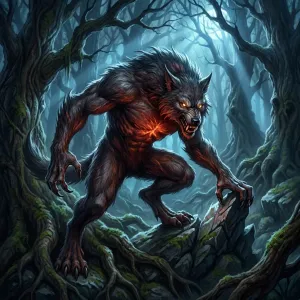
Werwolf
Inspires regional monster contracts and dark fantasy bestiary entries, requiring silver swords, specific oils, and deep folklore investigation to defeat.
In traditional Germanic / Medieval European lore, Werwolf was revered or feared as a true cryptid, representing natural forces, moral boundaries, and environmental taboos of its homeland.
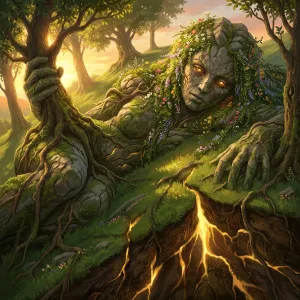
Zemlya
Inspires regional monster contracts and dark fantasy bestiary entries, requiring silver swords, specific oils, and deep folklore investigation to defeat.
In traditional Slavic lore, Zemlya was revered or feared as a true deity (earth mother), representing natural forces, moral boundaries, and environmental taboos of its homeland.
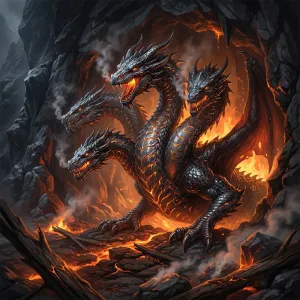
Zmej
Inspires regional monster contracts and dark fantasy bestiary entries, requiring silver swords, specific oils, and deep folklore investigation to defeat.
In traditional Slavic lore, Zmej was revered or feared as a true dragon (monster), representing natural forces, moral boundaries, and environmental taboos of its homeland.
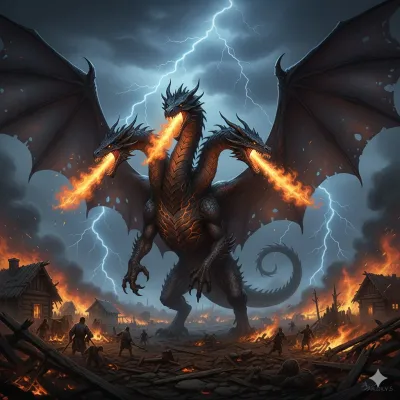
Zmey Gorynych
Inspires regional monster contracts and dark fantasy bestiary entries, requiring silver swords, specific oils, and deep folklore investigation to defeat.
In traditional Slavic lore, Zmey Gorynych was revered or feared as a true dragon, representing natural forces, moral boundaries, and environmental taboos of its homeland.
The Witcher Mythology & Folklore FAQ
Are monsters in The Witcher 3 based on real folklore?
Yes, the vast majority of creatures Geralt hunts—including the Leshy, Strzyga, Rusalka, Poludnitsa (Noonwraith), Godling (Ubozhe), and Kikimora—are authentic figures from Slavic, Polish, Ukrainian, and Russian folklore.
What is the most folklore-accurate monster in The Witcher?
The Leshy (or Leshen) is remarkably close to Slavic myth: a forest lord who commands wolves, grows to the height of trees, and protects ancient woodland boundaries from human intrusion.
Did CD Projekt Red invent the Noonwraith?
No. The Noonwraith is directly adapted from Poludnitsa, a Slavic harvest demon said to strike field workers with heatstroke and madness if they worked through the midday heat.
Other Mythological Gaming Bestiaries
God of War
Mythic Bosses from Greek Antiquity to the Norse Nine Realms
Persona & Shin Megami Tensei
The Ultimate Compendium of World Deities, Demons & Spirits
Castlevania
Gothic Bestiary of Dracula's Cursed Castle
Smite: Arena of the Gods
The Divine Third-Person Pantheon MOBA
Final Fantasy
Iconic Eidolons, Espers & Folklore Summons