Smite: Arena of the Gods Bestiary
The Divine Third-Person Pantheon MOBA
Smite brought ancient pantheons directly into the competitive esports arena, faithfully translating traditional iconographies and divine abilities into tactical combat mechanics.
Divine Warfare: Pitting Global Pantheons in Combat
While most MOBAs invent generic fantasy champions, Hi-Rez Studios committed entirely to real-world religious mythology and historical folklore, building playable rosters across Greek, Norse, Egyptian, Chinese, Hindu, Mayan, Polynesian, Slavic, and Yoruba pantheons.
Each god and legendary monster's kit is designed around historical oral traditions: Anubis uses funerary scales and locust swarms; Sun Wukong shapeshifts into 72 earthly forms; Fenrir grows larger as he consumes gods to usher in Ragnarök.
Smite acts as an interactive mythological encyclopedia, introducing hundreds of thousands of competitive gamers to lesser-known global figures like Baba Yaga, Cthulhu, Baron Samedi, and Pele.
- Translating divine mythology into competitive ability kits
- Cross-pantheon clash between celestial factions
- Faithful visual adherence to traditional ancient iconography
- Global representation of African, Polynesian, and Mesoamerican lore
All 63 Creatures in Smite: Arena of the Gods
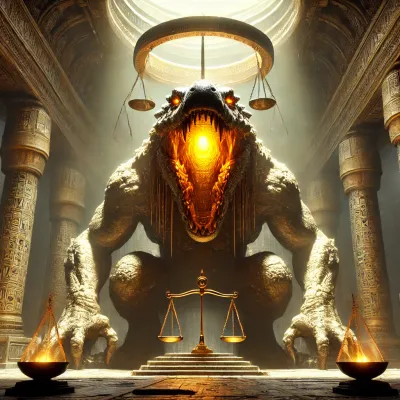
Ammit
Brought into action combat with stylized movesets based on classic antiquity hymns, poems, and ancient epics.
In traditional Ancient Egyptian lore, Ammit was revered or feared as a true deity, representing natural forces, moral boundaries, and environmental taboos of its homeland.
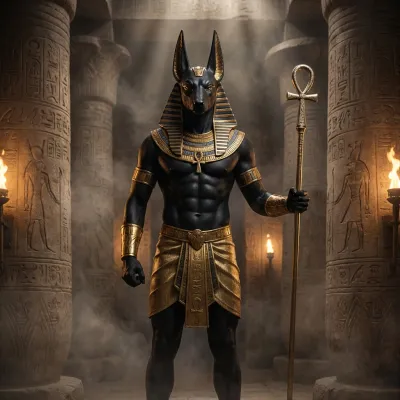
Anubis
Anubis, the God of Embalming, is one of the most famous mages, trapping foes with mummifying wraps and melting health bars with his death gaze laser.
In traditional Ancient Egyptian lore, Anubis was revered or feared as a true deity, representing natural forces, moral boundaries, and environmental taboos of its homeland.
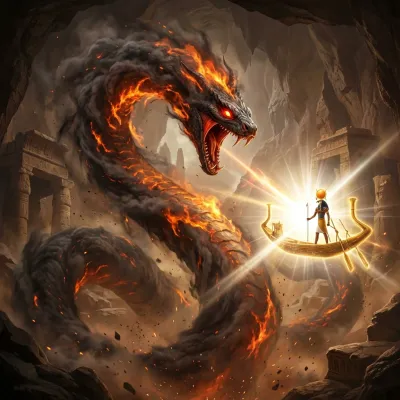
Apep
Brought into action combat with stylized movesets based on classic antiquity hymns, poems, and ancient epics.
In traditional Ancient Egyptian lore, Apep was revered or feared as a true deity (primordial serpent), representing natural forces, moral boundaries, and environmental taboos of its homeland.

Aphrodite
Brought into action combat with stylized movesets based on classic antiquity hymns, poems, and ancient epics.
In traditional Ancient Greek lore, Aphrodite was revered or feared as a true deity, representing natural forces, moral boundaries, and environmental taboos of its homeland.
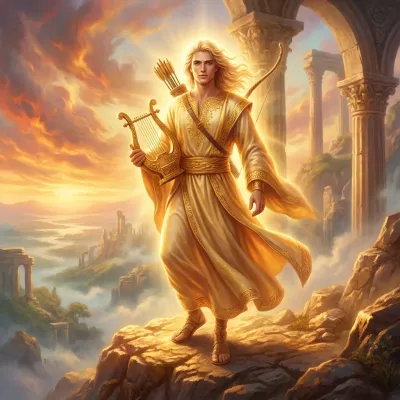
Apollo
Brought into action combat with stylized movesets based on classic antiquity hymns, poems, and ancient epics.
In traditional Greek lore, Apollo was revered or feared as a true deity, representing natural forces, moral boundaries, and environmental taboos of its homeland.
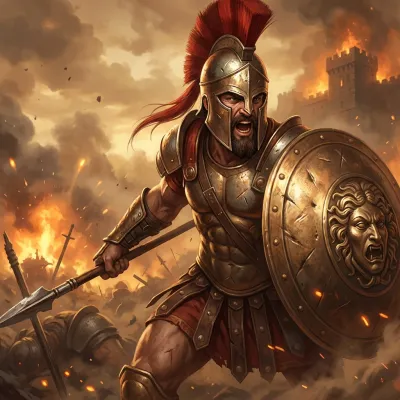
Ares
Brought into action combat with stylized movesets based on classic antiquity hymns, poems, and ancient epics.
In traditional Greek lore, Ares was revered or feared as a true deity, representing natural forces, moral boundaries, and environmental taboos of its homeland.
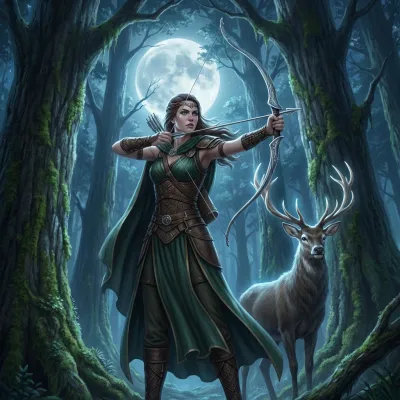
Artemis
Brought into action combat with stylized movesets based on classic antiquity hymns, poems, and ancient epics.
In traditional Greek lore, Artemis was revered or feared as a true deity, representing natural forces, moral boundaries, and environmental taboos of its homeland.
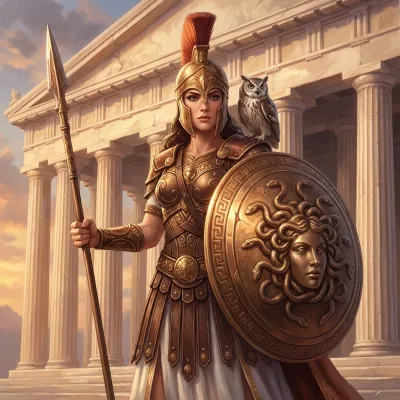
Athena
Brought into action combat with stylized movesets based on classic antiquity hymns, poems, and ancient epics.
In traditional Greek lore, Athena was revered or feared as a true deity, representing natural forces, moral boundaries, and environmental taboos of its homeland.
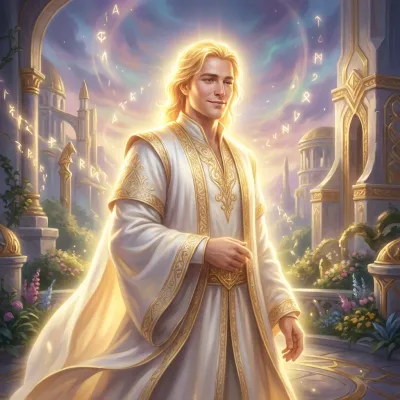
Balder
Brought into action combat with stylized movesets based on classic antiquity hymns, poems, and ancient epics.
In traditional Norse lore, Balder was revered or feared as a true deity, representing natural forces, moral boundaries, and environmental taboos of its homeland.
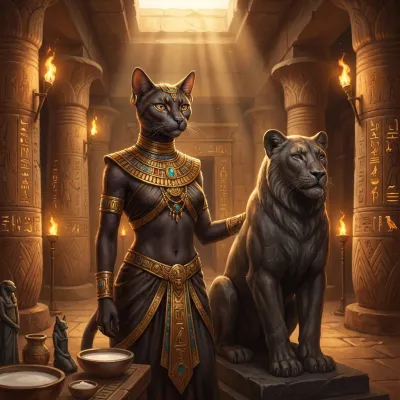
Bastet
Brought into action combat with stylized movesets based on classic antiquity hymns, poems, and ancient epics.
In traditional Ancient Egyptian lore, Bastet was revered or feared as a true deity, representing natural forces, moral boundaries, and environmental taboos of its homeland.
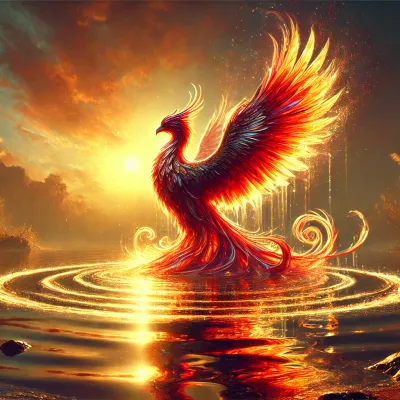
Bennu
Brought into action combat with stylized movesets based on classic antiquity hymns, poems, and ancient epics.
In traditional Ancient Egyptian lore, Bennu was revered or feared as a true deity, representing natural forces, moral boundaries, and environmental taboos of its homeland.
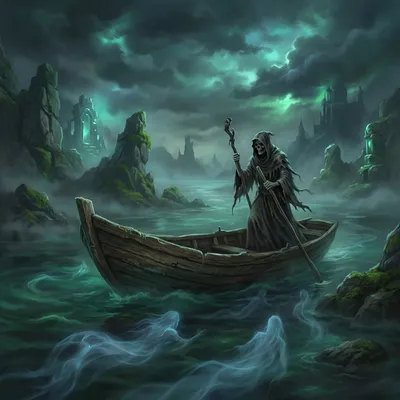
Charon
Brought into action combat with stylized movesets based on classic antiquity hymns, poems, and ancient epics.
In traditional Ancient Greek lore, Charon was revered or feared as a true deity (psychopomp), representing natural forces, moral boundaries, and environmental taboos of its homeland.
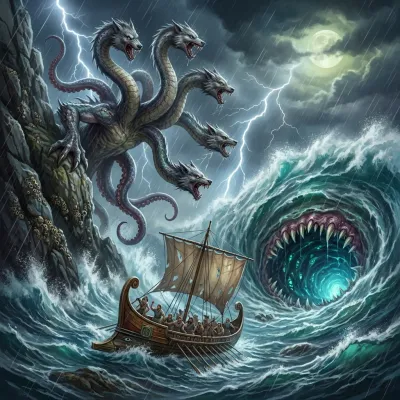
Charybdis
Brought into action combat with stylized movesets based on classic antiquity hymns, poems, and ancient epics.
In traditional Ancient Greek lore, Charybdis was revered or feared as a true monster (sea monster), representing natural forces, moral boundaries, and environmental taboos of its homeland.
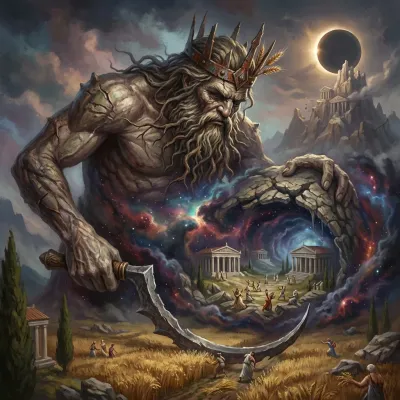
Cronus
Brought into action combat with stylized movesets based on classic antiquity hymns, poems, and ancient epics.
In traditional Greek lore, Cronus was revered or feared as a true deity (titan), representing natural forces, moral boundaries, and environmental taboos of its homeland.
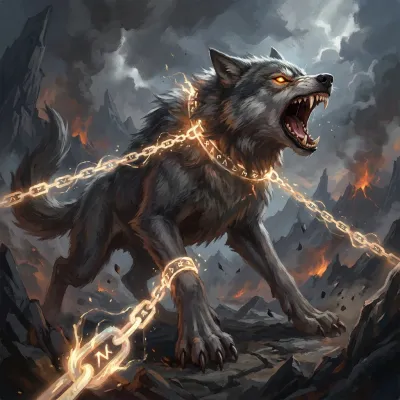
Fenrir
Fenrir, the Unbound, is a vicious melee assassin whose ultimate allows him to grow to colossal size and carry enemy gods in his jaws.
In traditional Norse lore, Fenrir was revered or feared as a true monster, representing natural forces, moral boundaries, and environmental taboos of its homeland.
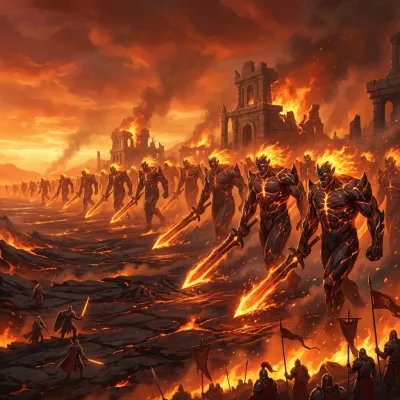
Fire Giants
Brought into action combat with stylized movesets based on classic antiquity hymns, poems, and ancient epics.
In traditional Norse lore, Fire Giants was revered or feared as a true giant/elemental (monster), representing natural forces, moral boundaries, and environmental taboos of its homeland.
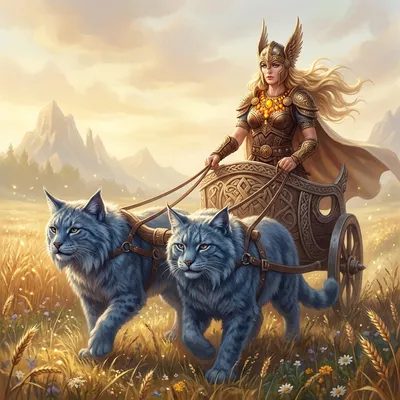
Freya
Brought into action combat with stylized movesets based on classic antiquity hymns, poems, and ancient epics.
In traditional Norse lore, Freya was revered or feared as a true deity, representing natural forces, moral boundaries, and environmental taboos of its homeland.
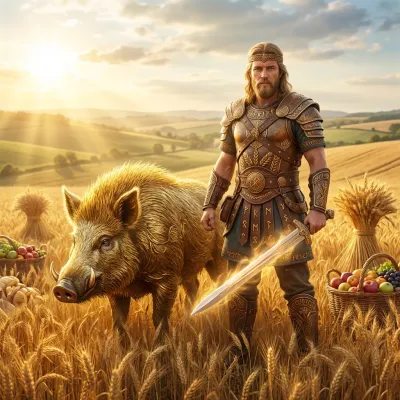
Freyr
Brought into action combat with stylized movesets based on classic antiquity hymns, poems, and ancient epics.
In traditional Norse lore, Freyr was revered or feared as a true deity, representing natural forces, moral boundaries, and environmental taboos of its homeland.
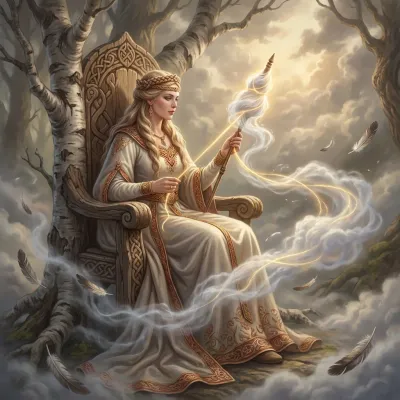
Frigg
Brought into action combat with stylized movesets based on classic antiquity hymns, poems, and ancient epics.
In traditional Norse lore, Frigg was revered or feared as a true deity, representing natural forces, moral boundaries, and environmental taboos of its homeland.
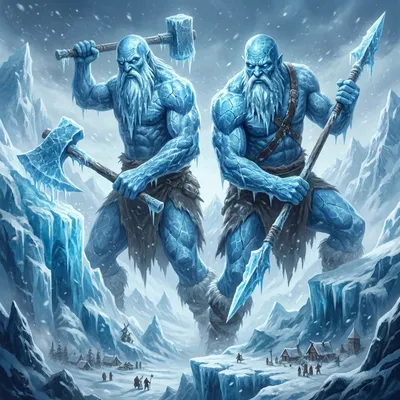
Frost Giants
Brought into action combat with stylized movesets based on classic antiquity hymns, poems, and ancient epics.
In traditional Norse lore, Frost Giants was revered or feared as a true giant (jötunn), representing natural forces, moral boundaries, and environmental taboos of its homeland.
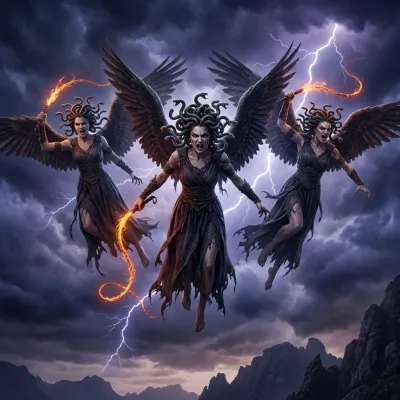
Furies
Brought into action combat with stylized movesets based on classic antiquity hymns, poems, and ancient epics.
In traditional Greek lore, Furies was revered or feared as a true deity, representing natural forces, moral boundaries, and environmental taboos of its homeland.
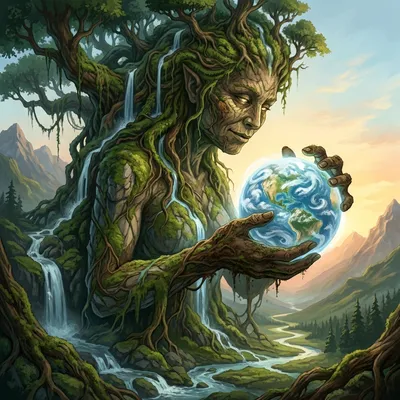
Gaia
Brought into action combat with stylized movesets based on classic antiquity hymns, poems, and ancient epics.
In traditional Greek lore, Gaia was revered or feared as a true deity, representing natural forces, moral boundaries, and environmental taboos of its homeland.
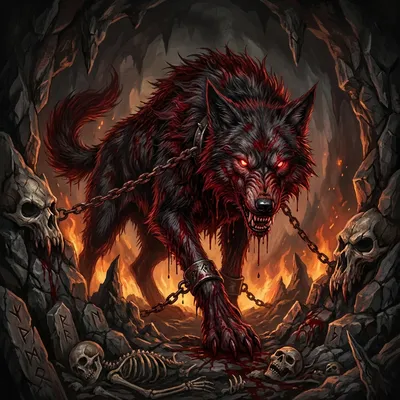
Garmr
Brought into action combat with stylized movesets based on classic antiquity hymns, poems, and ancient epics.
In traditional Norse lore, Garmr was revered or feared as a true monster (canine), representing natural forces, moral boundaries, and environmental taboos of its homeland.
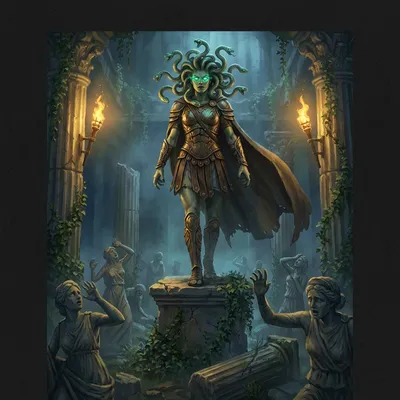
Gorgon
Brought into action combat with stylized movesets based on classic antiquity hymns, poems, and ancient epics.
In traditional Greek lore, Gorgon was revered or feared as a true monster, representing natural forces, moral boundaries, and environmental taboos of its homeland.
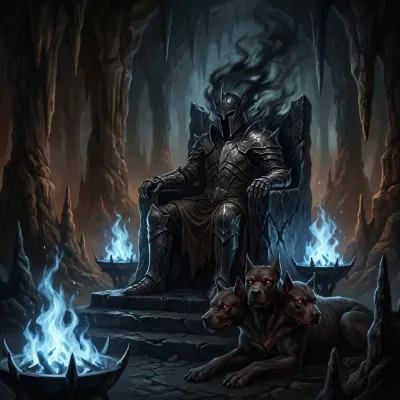
Hades
Brought into action combat with stylized movesets based on classic antiquity hymns, poems, and ancient epics.
In traditional Greek lore, Hades was revered or feared as a true deity, representing natural forces, moral boundaries, and environmental taboos of its homeland.
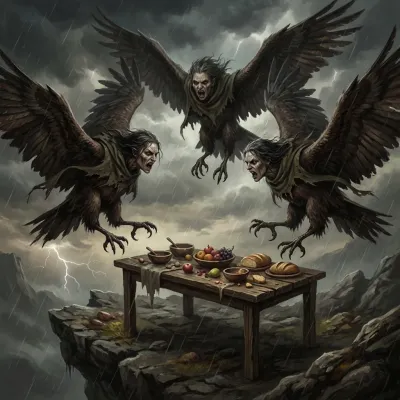
Harpies
Brought into action combat with stylized movesets based on classic antiquity hymns, poems, and ancient epics.
In traditional Ancient Greek lore, Harpies was revered or feared as a true monster, representing natural forces, moral boundaries, and environmental taboos of its homeland.
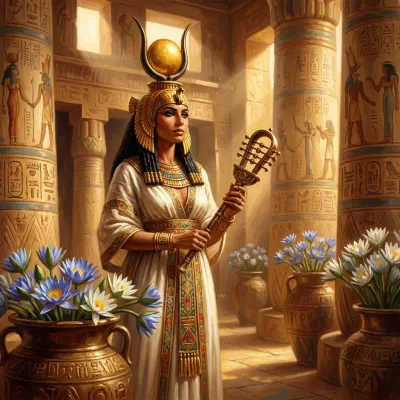
Hathor
Brought into action combat with stylized movesets based on classic antiquity hymns, poems, and ancient epics.
In traditional Ancient Egyptian lore, Hathor was revered or feared as a true deity, representing natural forces, moral boundaries, and environmental taboos of its homeland.
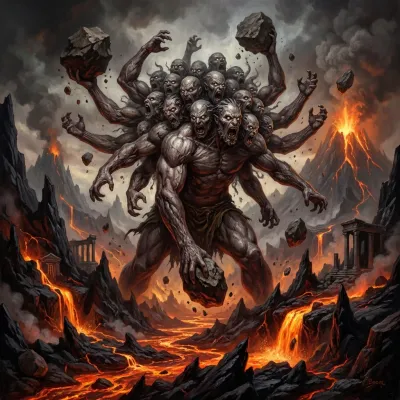
Hecatoncheires
Brought into action combat with stylized movesets based on classic antiquity hymns, poems, and ancient epics.
In traditional Greek lore, Hecatoncheires was revered or feared as a true giant (primordial), representing natural forces, moral boundaries, and environmental taboos of its homeland.
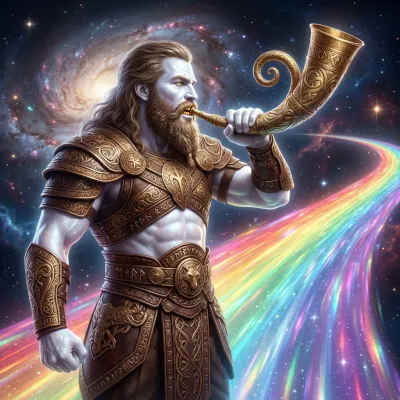
Heimdall
Brought into action combat with stylized movesets based on classic antiquity hymns, poems, and ancient epics.
In traditional Norse lore, Heimdall was revered or feared as a true deity, representing natural forces, moral boundaries, and environmental taboos of its homeland.
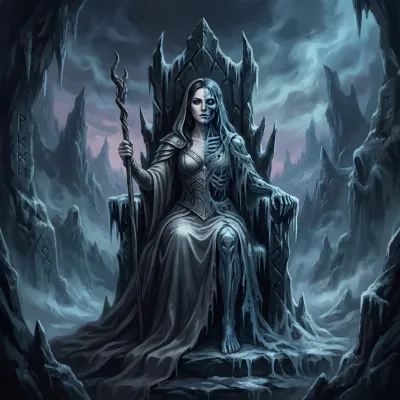
Hel
Brought into action combat with stylized movesets based on classic antiquity hymns, poems, and ancient epics.
In traditional Norse lore, Hel was revered or feared as a true deity (underworld), representing natural forces, moral boundaries, and environmental taboos of its homeland.
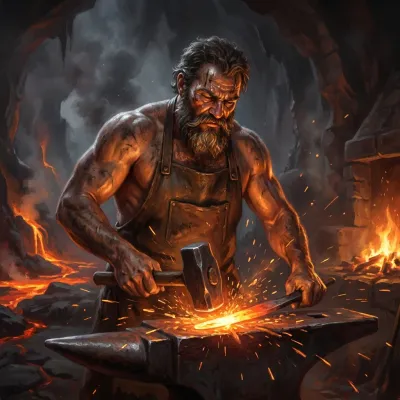
Hephaestus
Brought into action combat with stylized movesets based on classic antiquity hymns, poems, and ancient epics.
In traditional Greek lore, Hephaestus was revered or feared as a true deity, representing natural forces, moral boundaries, and environmental taboos of its homeland.
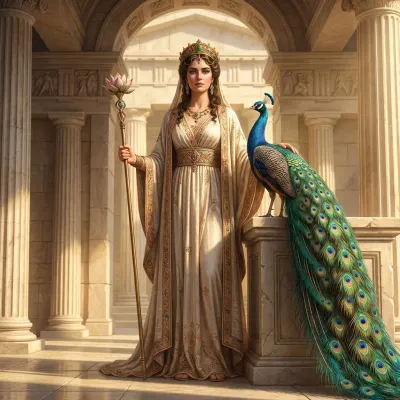
Hera
Brought into action combat with stylized movesets based on classic antiquity hymns, poems, and ancient epics.
In traditional Greek lore, Hera was revered or feared as a true deity, representing natural forces, moral boundaries, and environmental taboos of its homeland.
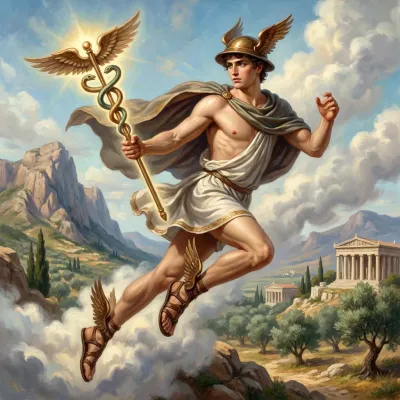
Hermes
Brought into action combat with stylized movesets based on classic antiquity hymns, poems, and ancient epics.
In traditional Greek lore, Hermes was revered or feared as a true deity (olympian), representing natural forces, moral boundaries, and environmental taboos of its homeland.
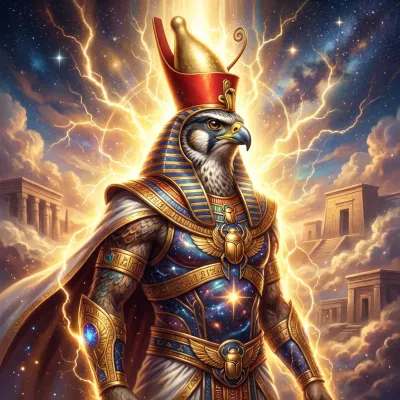
Horus
Brought into action combat with stylized movesets based on classic antiquity hymns, poems, and ancient epics.
In traditional Ancient Egyptian lore, Horus was revered or feared as a true deity, representing natural forces, moral boundaries, and environmental taboos of its homeland.
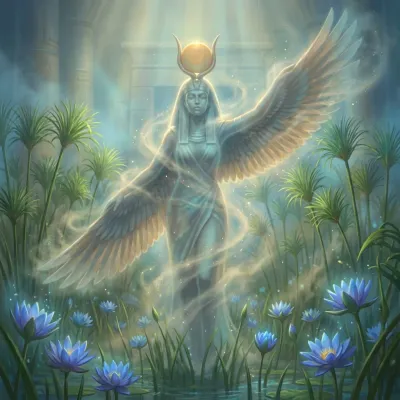
Isis
Brought into action combat with stylized movesets based on classic antiquity hymns, poems, and ancient epics.
In traditional Ancient Egyptian lore, Isis was revered or feared as a true deity, representing natural forces, moral boundaries, and environmental taboos of its homeland.
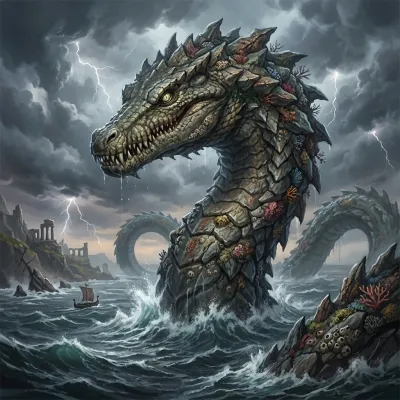
Jörmungandr
Jormungandr, the World Serpent, is a colossal playable Guardian whose body towers over the entire battlefield.
In traditional Norse lore, Jörmungandr was revered or feared as a true monster, representing natural forces, moral boundaries, and environmental taboos of its homeland.
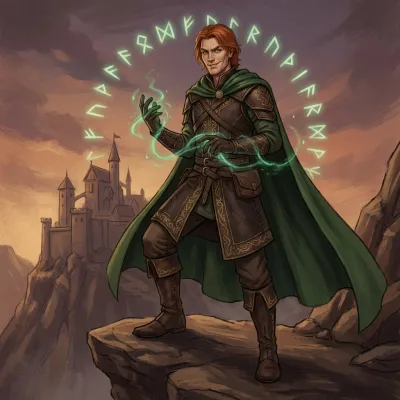
Loki
Brought into action combat with stylized movesets based on classic antiquity hymns, poems, and ancient epics.
In traditional Norse lore, Loki was revered or feared as a true fae (trickster), representing natural forces, moral boundaries, and environmental taboos of its homeland.
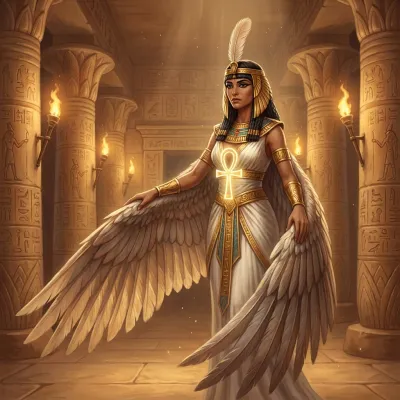
Ma'at
Brought into action combat with stylized movesets based on classic antiquity hymns, poems, and ancient epics.
In traditional Ancient Egyptian lore, Ma'at was revered or feared as a true deity, representing natural forces, moral boundaries, and environmental taboos of its homeland.
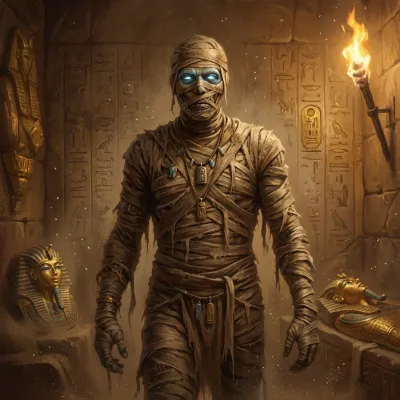
Mummy
Brought into action combat with stylized movesets based on classic antiquity hymns, poems, and ancient epics.
In traditional Ancient Egyptian lore, Mummy was revered or feared as a true undead, representing natural forces, moral boundaries, and environmental taboos of its homeland.
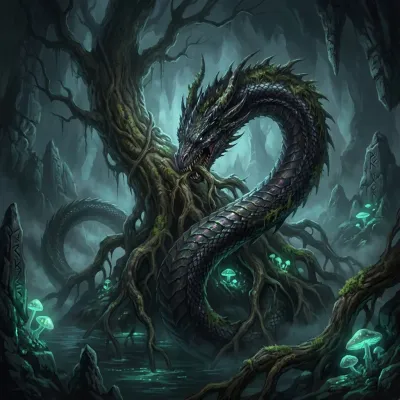
Nidhogg
Brought into action combat with stylized movesets based on classic antiquity hymns, poems, and ancient epics.
In traditional Norse lore, Nidhogg was revered or feared as a true monster (dragon/serpent), representing natural forces, moral boundaries, and environmental taboos of its homeland.
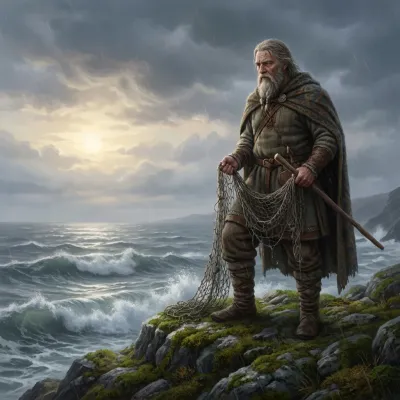
Njord
Brought into action combat with stylized movesets based on classic antiquity hymns, poems, and ancient epics.
In traditional Norse lore, Njord was revered or feared as a true deity, representing natural forces, moral boundaries, and environmental taboos of its homeland.
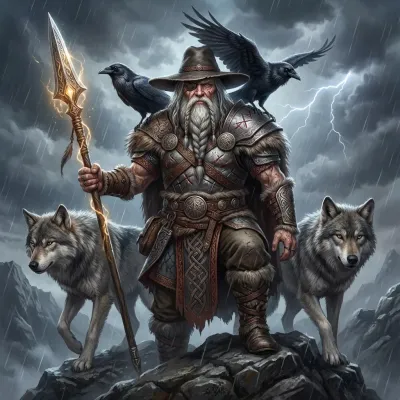
Odin
Brought into action combat with stylized movesets based on classic antiquity hymns, poems, and ancient epics.
In traditional Norse lore, Odin was revered or feared as a true deity, representing natural forces, moral boundaries, and environmental taboos of its homeland.
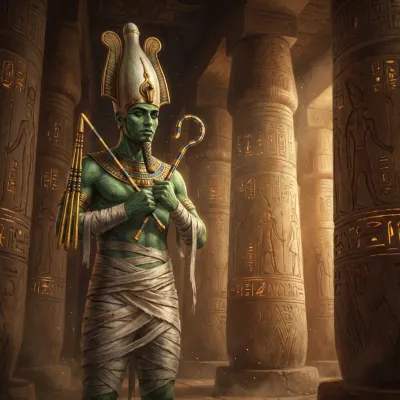
Osiris
Brought into action combat with stylized movesets based on classic antiquity hymns, poems, and ancient epics.
In traditional Ancient Egyptian lore, Osiris was revered or feared as a true deity, representing natural forces, moral boundaries, and environmental taboos of its homeland.
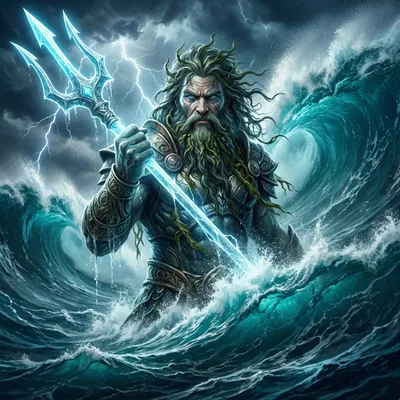
Poseidon
Brought into action combat with stylized movesets based on classic antiquity hymns, poems, and ancient epics.
In traditional Ancient Greek lore, Poseidon was revered or feared as a true deity, representing natural forces, moral boundaries, and environmental taboos of its homeland.
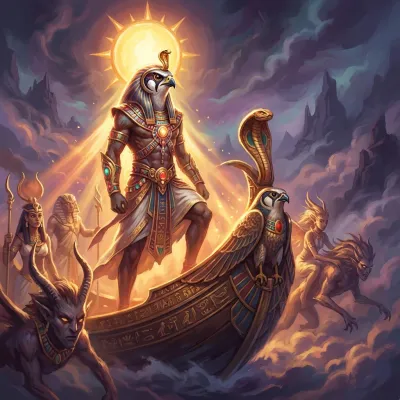
Ra
Brought into action combat with stylized movesets based on classic antiquity hymns, poems, and ancient epics.
In traditional Ancient Egyptian lore, Ra was revered or feared as a true deity, representing natural forces, moral boundaries, and environmental taboos of its homeland.
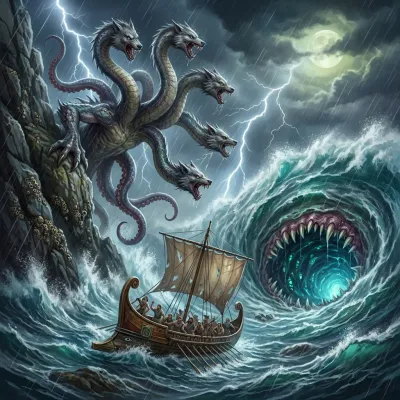
Scylla and Charybdis
Brought into action combat with stylized movesets based on classic antiquity hymns, poems, and ancient epics.
In traditional Greek lore, Scylla and Charybdis was revered or feared as a true sea monsters, representing natural forces, moral boundaries, and environmental taboos of its homeland.
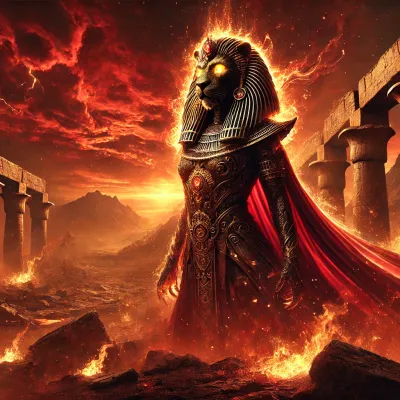
Sekhmet
Brought into action combat with stylized movesets based on classic antiquity hymns, poems, and ancient epics.
In traditional Ancient Egyptian lore, Sekhmet was revered or feared as a true deity, representing natural forces, moral boundaries, and environmental taboos of its homeland.
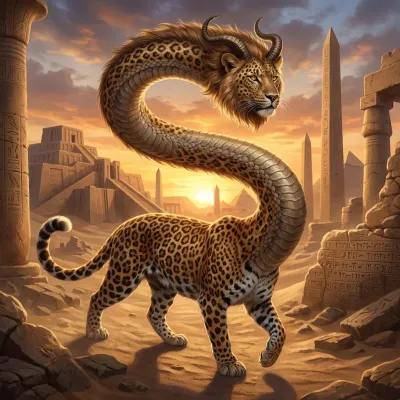
Serpopard
Brought into action combat with stylized movesets based on classic antiquity hymns, poems, and ancient epics.
In traditional Ancient Egyptian lore, Serpopard was revered or feared as a true cryptid/beast, representing natural forces, moral boundaries, and environmental taboos of its homeland.
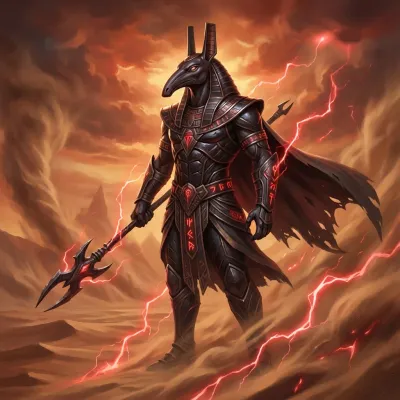
Set
Brought into action combat with stylized movesets based on classic antiquity hymns, poems, and ancient epics.
In traditional Ancient Egyptian lore, Set was revered or feared as a true deity, representing natural forces, moral boundaries, and environmental taboos of its homeland.
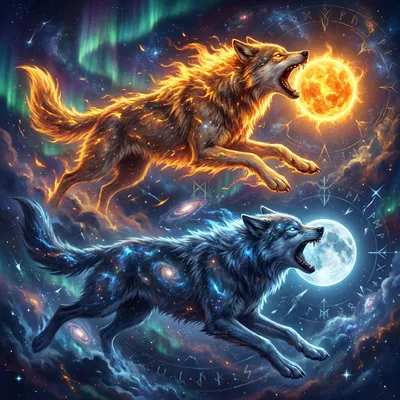
Sköll and Hati
Brought into action combat with stylized movesets based on classic antiquity hymns, poems, and ancient epics.
In traditional Norse lore, Sköll and Hati was revered or feared as a true beast (mythic wolves), representing natural forces, moral boundaries, and environmental taboos of its homeland.
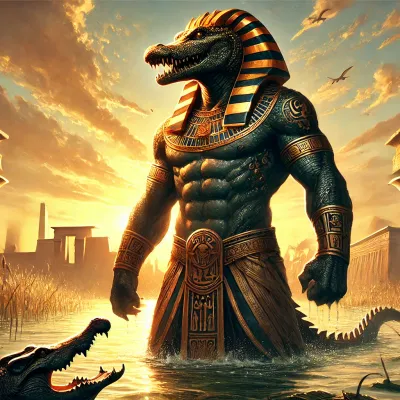
Sobek
Brought into action combat with stylized movesets based on classic antiquity hymns, poems, and ancient epics.
In traditional Ancient Egyptian lore, Sobek was revered or feared as a true deity, representing natural forces, moral boundaries, and environmental taboos of its homeland.

Surtr
Surtr, the Fire Giant, graduated from being the game's iconic jungle boss to a playable Warrior wielding meteor slams and flame strikes.
In traditional Norse lore, Surtr was revered or feared as a true deity (jötunn, representing natural forces, moral boundaries, and environmental taboos of its homeland.

Taweret
Brought into action combat with stylized movesets based on classic antiquity hymns, poems, and ancient epics.
In traditional Ancient Egyptian lore, Taweret was revered or feared as a true deity, representing natural forces, moral boundaries, and environmental taboos of its homeland.

Thanatos
Brought into action combat with stylized movesets based on classic antiquity hymns, poems, and ancient epics.
In traditional Greek lore, Thanatos was revered or feared as a true deity, representing natural forces, moral boundaries, and environmental taboos of its homeland.
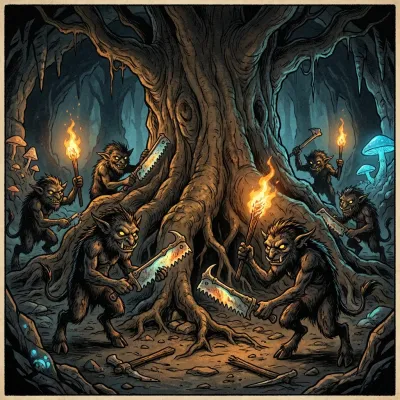
The Kallikantzaroi
Brought into action combat with stylized movesets based on classic antiquity hymns, poems, and ancient epics.
In traditional Greek lore, The Kallikantzaroi was revered or feared as a true fae, representing natural forces, moral boundaries, and environmental taboos of its homeland.

Thor
Brought into action combat with stylized movesets based on classic antiquity hymns, poems, and ancient epics.
In traditional Norse lore, Thor was revered or feared as a true deity, representing natural forces, moral boundaries, and environmental taboos of its homeland.

Thoth
Brought into action combat with stylized movesets based on classic antiquity hymns, poems, and ancient epics.
In traditional Ancient Egyptian lore, Thoth was revered or feared as a true deity, representing natural forces, moral boundaries, and environmental taboos of its homeland.
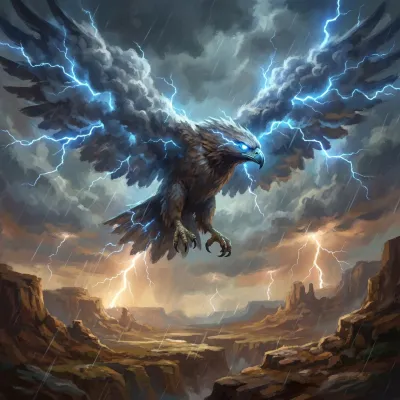
Thunderbird
Thunderbird totems and skin lines channeling sacred storm bird plumage.
In traditional Various North American Indigenous (Plains & Great Lakes) lore, Thunderbird was revered or feared as a true deity, representing natural forces, moral boundaries, and environmental taboos of its homeland.

Trolls
Brought into action combat with stylized movesets based on classic antiquity hymns, poems, and ancient epics.
In traditional Norse/Scandinavian lore, Trolls was revered or feared as a true monster, representing natural forces, moral boundaries, and environmental taboos of its homeland.

Typhon
Brought into action combat with stylized movesets based on classic antiquity hymns, poems, and ancient epics.
In traditional Greek lore, Typhon was revered or feared as a true primordial monster, representing natural forces, moral boundaries, and environmental taboos of its homeland.

Tyr
Brought into action combat with stylized movesets based on classic antiquity hymns, poems, and ancient epics.
In traditional Norse lore, Tyr was revered or feared as a true deity, representing natural forces, moral boundaries, and environmental taboos of its homeland.
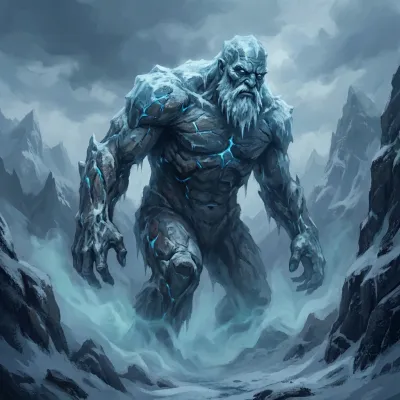
Ymir
Brought into action combat with stylized movesets based on classic antiquity hymns, poems, and ancient epics.
In traditional Norse lore, Ymir was revered or feared as a true deity (primordial giant), representing natural forces, moral boundaries, and environmental taboos of its homeland.
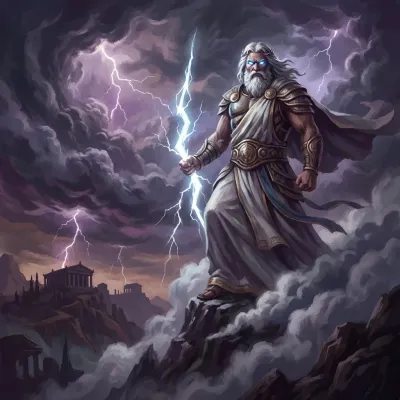
Zeus
Brought into action combat with stylized movesets based on classic antiquity hymns, poems, and ancient epics.
In traditional Greek lore, Zeus was revered or feared as a true deity, representing natural forces, moral boundaries, and environmental taboos of its homeland.
Smite: Arena of the Gods Mythology & Folklore FAQ
How does Smite adapt gods and monsters respectfully?
Hi-Rez consults cultural historians and folklore experts to represent sacred iconographies, garments, and mythology accurately, ensuring divine figures embody their cultural origins.
What pantheons are represented in Smite?
Smite features over a dozen historical pantheons, including Greek, Norse, Egyptian, Chinese, Hindu, Mayan, Japanese, Slavic, Celtic, Polynesian, Arthurian, Yoruba, and Babylonian.
Can mythological monsters be played alongside gods in Smite?
Yes, legendary monsters and beasts with divine power—such as Cerberus, Medusa, Fenrir, Jörmungandr, Scylla, and Bakasura—fight on equal footing with supreme deities.
Other Mythological Gaming Bestiaries
The Witcher
Slavic Folklore & Dark Fantasy Bestiary
God of War
Mythic Bosses from Greek Antiquity to the Norse Nine Realms
Persona & Shin Megami Tensei
The Ultimate Compendium of World Deities, Demons & Spirits
Castlevania
Gothic Bestiary of Dracula's Cursed Castle
Final Fantasy
Iconic Eidolons, Espers & Folklore Summons